


What is inside a keloid scar?
Nov 28, 2025
Source: Cainiu Health

Dr. Liu Wenmin
Introduction
In general, keloids are primarily composed of excessively proliferated collagen fibers, along with blood vessels, fibroblasts, and other tissues. If you have any concerns, it is recommended to consult a healthcare professional in advance. Collagen fibers are the core component of keloids. During normal wound healing, collagen fibers arrange themselves in an orderly manner; however, in keloids, collagen fibers abnormally increase in number and become disorganized, forming dense masses of fibrous tissue.
Generally, keloids are primarily composed of excessive collagen fibers, along with blood vessels, fibroblasts, and other tissues. If you have any concerns, it is recommended to seek medical advice early. The detailed analysis is as follows:
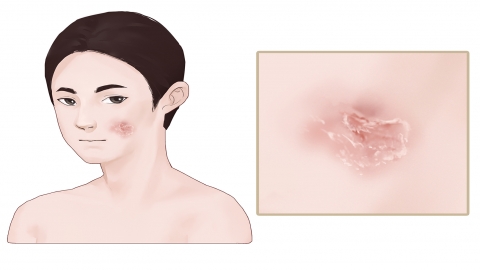
Collagen fibers are the core component of keloids. During normal wound healing, collagen fibers are arranged in an orderly manner; however, in keloids, collagen fibers abnormally increase and become disorganized, forming dense masses of fibrous tissue. This results in a hard texture and raised appearance above the skin surface, which is the main reason for the firmness and elevation of keloids.
In addition to collagen fibers, keloids also contain a rich network of capillaries that supply nutrients to support fibrous tissue proliferation. Moreover, a large number of active fibroblasts are present within the lesion. These cells continuously secrete collagen fibers, promoting ongoing growth of the keloid. Some keloids may also involve inflammatory cells, leading to mild itching or pain.
If a keloid continues to grow or causes significant discomfort, prompt medical evaluation is necessary. Avoid squeezing or irritating the keloid to prevent worsening of the overgrowth. Treatment should follow professional medical guidance, with appropriate therapies selected to control its progression.





