


Why does a patch of bumps appear when I scratch my arm?
Nov 28, 2025
Source: Cainiu Health

Dr. Liu Wenmin
Introduction
Dilation and increased permeability of small blood vessels in the skin and mucous membranes lead to localized edematous reactions after scratching, resulting in patches of hives, often accompanied by severe itching. Wheals may resolve spontaneously but tend to recur frequently. Patients may use calamine lotion, cetirizine hydrochloride tablets, or loratadine tablets as directed by a healthcare professional, and should avoid consuming foods that are likely to trigger allergies.
Generally, the appearance of raised bumps on the arm after scratching may be caused by dry skin, nerve sensitivity, or skin conditions such as urticaria, eczema, and contact dermatitis. If this occurs, it is recommended to seek medical attention promptly to identify the underlying cause and receive targeted treatment. Specific causes are analyzed as follows:
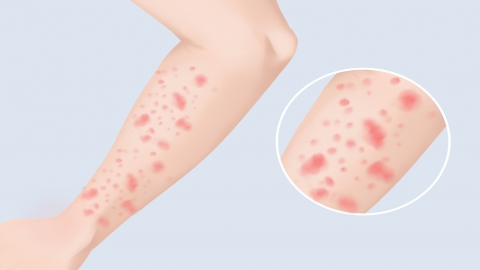
1. Dry skin: Excessive loss of skin moisture damages the epidermal barrier function. Scratching irritates the skin, making it prone to develop patches of bumps. Maintain proper skin hydration by applying a gentle moisturizer regularly to increase skin moisture and reduce scratching behavior.
2. Nerve sensitivity: Highly sensitive nerve endings in the skin can trigger a neural response when stimulated by scratching, leading to the development of bumps on the arm. No specific treatment is required; avoid scratching as much as possible and relieve itching by gently patting the affected area.
3. Urticaria (hives): Dilation and increased permeability of small blood vessels in the skin and mucous membranes lead to localized edematous reactions after scratching, resulting in raised bumps. This is often accompanied by intense itching. Wheals may resolve spontaneously but tend to recur frequently. Under professional guidance, calamine lotion, cetirizine hydrochloride tablets, or loratadine tablets may be used. Avoid consuming foods that are likely to trigger allergies.
4. Eczema: Skin inflammation triggered by various internal and external factors worsens with scratching, causing patches of bumps along with symptoms such as itching, oozing, and crusting. Under professional supervision, mometasone furoate cream, halometasone cream, or hydrocortisone butyrate cream may be applied.
5. Contact dermatitis: Inflammatory reactions occur when the skin on the arm comes into contact with allergens or irritants and is then scratched, leading to patches of bumps accompanied by redness, swelling, and blisters. Under a doctor’s guidance, fluocinonide acetonide cream, desonide cream, or triamcinolone acetonide econazole cream may be used.
In daily life, maintain skin cleanliness while avoiding excessive cleansing that could damage the skin barrier. Follow a light diet and consume more foods rich in vitamins. Regularly monitor changes in the skin and seek medical advice promptly if any abnormalities occur.



