What should I do if my mouth itches after eating kiwifruit?
Nov 28, 2025
Source: Cainiu Health

Dr. Liu Wenmin
Introduction
In general, mouth itching after eating kiwifruit may be caused by factors such as skin irritation from the peel, inadequate washing, oral mucosal allergy, contact dermatitis, or angioedema. It is recommended to seek medical attention promptly, identify the underlying cause, and then improve symptoms through general management, medication, or other treatments under a doctor's guidance. Before consuming fruits daily, ensure thorough washing, and strictly avoid foods known to cause allergic reactions.
Generally, mouth itching after eating kiwifruit may be caused by fruit peel irritation, inadequate washing, oral mucosal allergy, contact dermatitis, or angioedema. It is recommended to seek timely medical attention, identify the underlying cause, and then improve symptoms under a doctor's guidance through general management, medication, or other treatments. Specific analyses are as follows:
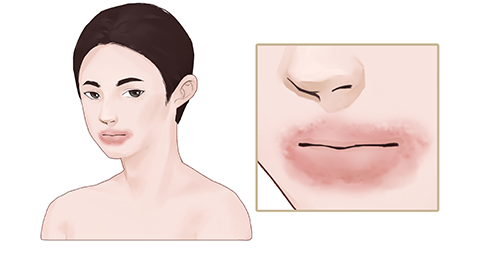
1. Fruit peel irritation: The skin of kiwifruit contains fine hairs and irritants that can trigger itching when they come into direct contact with the oral mucosa. Immediately stop consuming the fruit, rinse the mouth repeatedly with warm water to remove residual hairs, and thoroughly peel the fruit before future consumption to avoid contact between the peel and the oral cavity.
2. Inadequate washing: Pesticide residues or dirt on the surface of kiwifruit may irritate the oral mucosa after ingestion, causing discomfort. Wash the fruit thoroughly under running water using a soft brush, or soak it in mild saltwater for 10 minutes before rinsing again to reduce residual irritants.
3. Oral mucosal allergy: Proteolytic enzymes and plant acids in kiwifruit may trigger allergic reactions in the oral mucosa, manifesting as itching and mild redness or swelling. Patients should follow medical advice to take antiallergic medications such as cetirizine hydrochloride tablets, loratadine capsules, or ebastine tablets, and avoid re-consuming kiwifruit and other fruits prone to causing allergies.
4. Contact dermatitis: Itching and red rashes may appear on the skin around the mouth after contact with kiwifruit juice. Immediately wipe off any residual juice with a damp towel and, under medical guidance, apply topical medications such as desonide cream, mometasone furoate cream, or hydrocortisone butyrate cream. Keep the affected skin area clean and dry.
5. Angioedema: Worsening allergic reactions can lead to swelling of the oral mucosa, accompanied by significant itching and difficulty swallowing. Immediate medical attention is required. In severe cases, tracheotomy may be performed to maintain airway patency, while anti-allergic medications such as dexamethasone injection, methylprednisolone tablets, or diphenhydramine hydrochloride injection are administered under medical supervision.
Always thoroughly wash fruits before consumption, and strictly avoid foods known to cause allergic reactions. Maintain a light diet and avoid spicy or irritating foods that may aggravate oral mucosal irritation. If severe symptoms such as difficulty breathing or laryngeal edema occur, seek emergency medical care immediately.