


What should I do if my foot turns blackish-purple after swelling?
Nov 28, 2025
Source: Cainiu Health

Dr. Liu Wenmin
Introduction
In general, blackish-purple swelling of the foot may be caused by trauma leading to blood stasis, prolonged downward positioning and pressure, varicose veins of the lower limbs, thrombophlebitis, or cardiac insufficiency. It is recommended to seek medical attention promptly, identify the underlying cause, and then improve the condition through general measures, medication, or other treatments under a doctor's guidance. Avoid strenuous exercise and prolonged standing in daily life, and maintain a light, low-salt diet.
Generally, blackish-purple swelling in the foot may be caused by trauma leading to hematoma, prolonged downward positioning and pressure, lower extremity varicose veins, thrombophlebitis, or heart failure. It is recommended to seek timely medical attention, identify the underlying cause, and then improve symptoms under a doctor's guidance through general management, medication, and other approaches. Specific analyses are as follows:
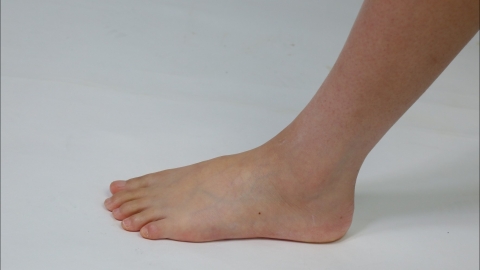
1. Trauma-induced hematoma: After impact or compression to the foot, subcutaneous blood vessels rupture and bleed, causing blood accumulation that leads to swelling and discoloration. Within the first 48 hours after injury, apply ice packs for cold compression to stop bleeding; after 48 hours, switch to warm compresses with a heated towel to promote absorption of the hematoma. Elevate the affected limb above heart level during rest.
2. Prolonged downward positioning and pressure: Sitting or standing for long periods continuously compresses the foot, obstructing blood circulation and resulting in swelling and discoloration. Get up and move around for 5–10 minutes every hour, perform toe-raising or marching-in-place exercises, wear loose and comfortable shoes, and avoid tight socks that constrict the feet.
3. Lower extremity varicose veins: Damage to venous valves impairs blood return, causing blood stasis in the foot, leading to swelling and blackish-purple discoloration. Patients should take medications such as micronized purified flavonoid fraction tablets, diosmin tablets, or calcium dobesilate capsules as prescribed. Wearing medical compression stockings daily can assist venous return.
4. Thrombophlebitis: Inflammation caused by blood clots forming within veins leads to foot swelling, discoloration, and pain. Patients should use anticoagulant medications such as low-molecular-weight heparin calcium injection, warfarin sodium tablets, or rivaroxaban tablets as directed by a physician. Avoid massaging the affected limb to prevent dislodging the clot.
5. Heart failure: Reduced cardiac pumping function causes blood to pool in the lower limbs, resulting in foot swelling and discoloration that worsens with activity. Patients should take medications such as furosemide tablets, spironolactone tablets, or digoxin tablets as prescribed to improve heart function. In severe cases, cardiac resynchronization therapy may be performed to enhance cardiac pumping capacity.
Avoid strenuous exercise and prolonged standing in daily life. Maintain a light, low-salt diet to reduce fluid and sodium retention in the body. Regularly monitor vital signs such as blood pressure and heart rate, maintain a regular sleep schedule, avoid excessive fatigue, and promote foot recovery through comprehensive care.







