


How effective is hyperbaric oxygen therapy for tinnitus?
Nov 29, 2025
Source: Cainiu Health

Dr. Lu Cheng
Introduction
In general, hyperbaric oxygen therapy for tinnitus shows more noticeable effects on sudden-onset tinnitus and can improve tinnitus related to hypoxia. However, its effectiveness is limited for long-term chronic tinnitus, and for tinnitus caused by auditory nerve damage, it should be combined with other treatments. The therapeutic outcomes vary significantly among individuals. After the onset of tinnitus, patients should first seek medical evaluation to determine the underlying cause and assess whether hyperbaric oxygen therapy is appropriate.
In general, the effectiveness of hyperbaric oxygen therapy (HBOT) for tinnitus varies: it tends to be more effective for sudden-onset tinnitus, improves tinnitus related to hypoxia, has limited effects on long-term chronic tinnitus, requires combination therapy for tinnitus caused by auditory nerve damage, and shows individual variability in response. A detailed analysis is as follows:
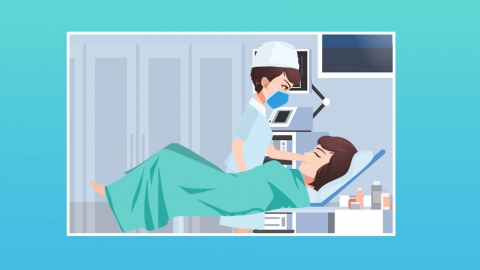
1. More effective for sudden-onset tinnitus: For sudden tinnitus of short duration, especially when associated with inner ear ischemia or hypoxia, timely HBOT can improve inner ear oxygenation, promote blood circulation, and help alleviate or eliminate tinnitus symptoms. The treatment course is relatively short and often yields positive results.
2. Improves hypoxia-related tinnitus: For tinnitus caused by inner ear hypoxia—such as that resulting from high-altitude exposure or insufficient cerebral vascular perfusion—HBOT increases blood oxygen levels, enhances oxygen supply to inner ear tissues, alleviates hypoxia-induced tinnitus, and supports the recovery of normal auditory function.
3. Limited effectiveness for long-term chronic tinnitus: For chronic tinnitus lasting longer than three months, particularly when due to complex causes such as neurodegenerative changes or prolonged noise-induced damage, HBOT alone is usually ineffective and rarely eliminates tinnitus completely. In such cases, it is typically used as an adjunctive therapy alongside other treatments.
4. Requires combined therapy for tinnitus due to auditory nerve damage: In cases where tinnitus results from auditory nerve injury, HBOT may improve the hypoxic environment around the nerve but cannot directly repair damaged nerve tissue. Comprehensive treatment—including neurotrophic medications and physical therapy—is necessary for better symptom relief.
5. Individual variability in effectiveness: Responses to HBOT vary among individuals. Some patients experience significant reduction in tinnitus, while others show little improvement. This variability is influenced by factors such as the underlying cause, duration of tinnitus, and individual physiological differences, so outcomes cannot be generalized.
After the onset of tinnitus, individuals should first seek medical evaluation to determine the cause and assess whether HBOT is appropriate. If HBOT is chosen, the full treatment course should be completed as prescribed, without self-termination. During treatment, avoid prolonged exposure to noisy environments, ensure adequate rest, and minimize strain on the auditory system. If no improvement is observed after treatment, promptly consult a physician to review and adjust the treatment plan.



