What causes yellowish, crusted corners of the mouth, and how should it be treated?
Nov 29, 2025
Source: Cainiu Health

Dr. Liu Wenmin
Introduction
Yellowish, crusted corners of the mouth may be caused by dry, dehydrated skin, dietary irritants, angular cheilitis, contact dermatitis, or seborrheic dermatitis. These symptoms can be improved through moisturizing care, dietary adjustments, and medical treatment. If symptoms persist or are accompanied by redness, swelling, or increasing pain, prompt medical attention is necessary. Dry climate or insufficient water intake can lead to moisture loss in the skin at the corners of the mouth.
Yellowish, crusted嘴角 (corner of the mouth) may result from dry or dehydrated skin, dietary irritation, angular cheilitis, contact dermatitis, or seborrheic dermatitis. Symptoms can be improved through moisturizing care, dietary adjustments, and medical treatment. If symptoms persist or are accompanied by redness, swelling, or increasing pain, prompt medical attention is recommended.
1. Dry and dehydrated skin: In dry climates or with insufficient water intake, the skin at the corners of the mouth may lose moisture. Mucosal cracking leads to exudate that dries and forms yellow crusts, often accompanied by a tight sensation. It is recommended to enhance local moisturization using non-irritating lip balms or petroleum jelly, increase fluid intake, and avoid licking the corners of the mouth.
2. Dietary irritation: Long-term consumption of spicy or excessively hot foods can repeatedly irritate the mucosa and skin at the corners of the mouth, causing local inflammation and exudation that results in yellow crusts, possibly accompanied by mild redness and swelling. A diet of bland, cool foods is advised to reduce irritation. Clean the mouth area promptly after meals to prevent food residue.
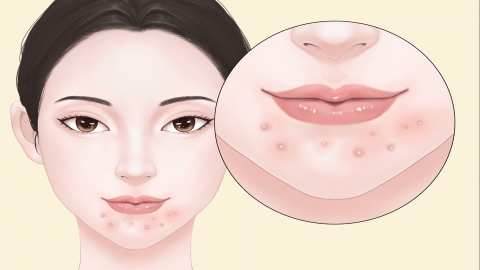
3. Angular cheilitis: Bacterial or fungal infections can cause inflammation at the corners of the mouth, leading to erosion, exudation, and yellow crusting when the fluid dries. This is often associated with pain and difficulty opening the mouth. Under medical guidance, topical medications such as erythromycin ointment, clotrimazole cream, or oral vitamin B2 may be used to relieve symptoms.
4. Contact dermatitis: Allergic reactions caused by contact with allergens such as lipstick, lip balm, or utensils can lead to inflammatory responses at the corners of the mouth, presenting as redness, exudation, and crusting, along with itching and a burning sensation. Under medical supervision, patients may use calamine lotion, desonide cream, or loratadine syrup to alleviate discomfort.
5. Seborrheic dermatitis: Abnormal sebaceous gland secretion causes localized inflammation. At the corners of the mouth, this manifests as greasy, pale-yellow crusts, accompanied by redness and mild itching; crusts tend to flake off easily. As directed by a physician, treatments may include tacrolimus ointment, vitamin B6 cream, or oral levocetirizine hydrochloride solution to improve symptoms.
Maintain cleanliness and dryness of the mouth corners, use gentle, non-irritating skincare products and utensils, avoid scratching or peeling off crusts, maintain a balanced diet rich in vitamins, drink plenty of water, follow a regular sleep schedule, and minimize local irritation to promote healing.