What are the consequences of long-term use of adapalene?
Nov 29, 2025
Source: Cainiu Health

Dr. Liu Wenmin
Introduction
Long-term use of adapalene may lead to consequences such as dry and flaky skin, impaired skin barrier, increased local irritation, and persistent photosensitivity. Prolonged use accelerates the turnover of skin keratinocytes; if adequate moisturization is not maintained, excessive water loss can occur, resulting in noticeable dryness, tightness, and even fine scaling—symptoms that are particularly pronounced during the dry seasons of autumn and winter.
Under normal circumstances, long-term use of adapalene may lead to skin dryness and flaking, increased skin sensitivity and redness, impaired skin barrier, worsened local irritation, and persistent photosensitivity reactions. Detailed analysis is as follows:
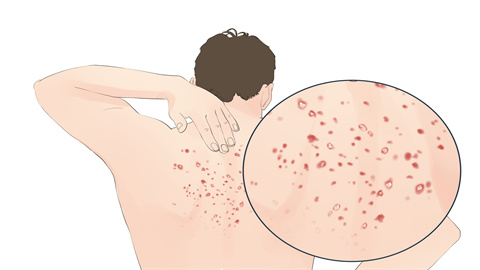
1. Skin dryness and flaking: Long-term use of adapalene accelerates keratin metabolism in the skin. Without proper moisturization, excessive water loss can occur, leading to obvious dryness, tightness, and even fine flaking—especially during dry seasons such as autumn and winter.
2. Skin sensitivity and redness: Prolonged exposure to the medication may reduce skin tolerance, making it more sensitive and fragile. The skin may easily become red or feel burning when exposed to external stimuli, and some individuals may even react adversely to mild skincare products.
3. Impaired skin barrier: Excessive acceleration of keratinocyte shedding can damage the skin’s natural protective barrier, reducing its ability to defend against environmental irritants. This increases susceptibility to bacterial invasion and pollutants, raising the risk of various skin problems.
4. Worsened local irritation: Mild irritation symptoms such as stinging or itching that may appear initially could persist or even intensify with long-term use if adequate tolerance is not established. In severe cases, this may negatively affect daily skin condition, causing recurrent discomfort.
5. Persistent photosensitivity: Adapalene increases the skin's sensitivity to ultraviolet (UV) radiation. Without strict sun protection during prolonged use, photosensitivity reactions may persist, manifesting as redness, darkening, sunspots, or even sunburn after sun exposure.
Long-term use of adapalene should strictly follow medical instructions, with controlled dosage and frequency. Enhanced moisturizing and rigorous sun protection are essential during treatment to minimize skin discomfort. If severe irritation or allergic reactions occur, discontinue use immediately and seek medical advice promptly. Regular follow-up visits are recommended so that doctors can adjust the treatment plan according to skin condition.