


Can alopecia areata be transmitted to others?
Nov 29, 2025
Source: Cainiu Health

Dr. Liu Wenmin
Introduction
In general, alopecia areata is not contagious. Maintain scalp cleanliness, choose mild and non-irritating shampoo, and avoid scratching the affected area vigorously when washing hair; maintain a regular sleep schedule, avoid chronic sleep deprivation, reduce mental stress, and keep emotions stable. In terms of diet, ensure balanced intake of protein, vitamins, and minerals, and consume more eggs and lean meat.
Generally, alopecia areata is not contagious. The detailed explanation is as follows:
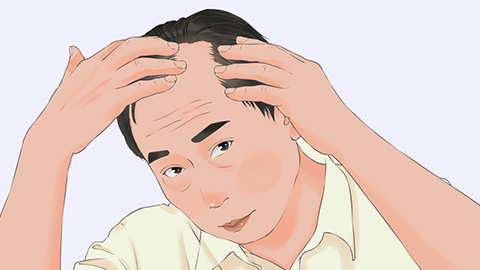
Alopecia areata is a non-infectious condition. Its occurrence is associated with factors such as genetics, excessive mental stress, endocrine disorders, and abnormal immune function, rather than being caused by pathogens like bacteria, viruses, or fungi. Therefore, it is not transmissible. After onset, hair follicles in the affected scalp area temporarily enter a dormant state and cannot be spread to others through direct contact, droplets, or other means. There is no need to worry about contracting the condition through normal interactions or sharing personal items with someone who has alopecia areata.
To support recovery, maintain scalp cleanliness and use mild, non-irritating shampoo, avoiding vigorous scratching of affected areas while washing hair. Maintain regular sleep patterns, avoid chronic sleep deprivation, reduce psychological stress, and keep emotions stable. In terms of diet, ensure balanced intake of protein, vitamins, and minerals, and consume more eggs, lean meat, and fresh fruits and vegetables. Avoid frequent hair perming or dyeing to minimize irritation to the scalp and hair follicles, thus creating favorable conditions for follicle recovery and promoting hair regrowth.





