What does it mean when a small pimple becomes hard and larger, and what should I do?
Nov 29, 2025
Source: Cainiu Health

Dr. Liu Wenmin
Introduction
In general, small pimples becoming hard and enlarged may be caused by worsening oil blockage, external irritation or squeezing, nodular acne, cystic acne, folliculitis, and other factors. Improvement can be achieved through appropriate measures such as basic skincare, medication, or surgical treatment depending on the specific situation. Focus on gentle cleansing and moisturizing during skincare, and avoid frequent exfoliation. Choose lightweight, oil-free skincare products to reduce burden on the skin.
Generally, small pimples becoming hard and enlarged may be caused by worsening oil blockage, external irritation or squeezing, nodular acne, cystic acne, folliculitis, and other reasons. Depending on the specific situation, improvements can be achieved through basic skincare, medication, surgical treatment, etc. A detailed analysis is as follows:
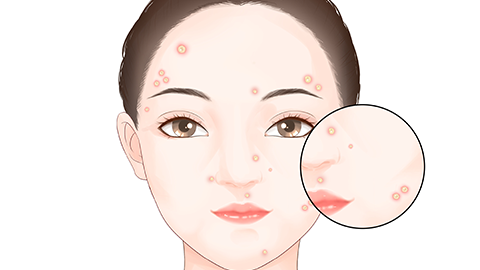
1. Worsening Oil Blockage
Overactive sebaceous glands produce excessive oil that accumulates within pores and cannot be discharged normally, gradually solidifying and causing the pimple to become hard and larger. Cleanse the skin with a gentle facial cleanser, reduce intake of high-sugar and high-fat foods, ensure adequate sleep, and avoid staying up late, which can stimulate oil production.
2. External Irritation or Squeezing
Squeezing pimples with fingers or frictional irritation can spread inflammation and lead to tissue hyperplasia, making the pimple harder and larger. Stop squeezing pimples, wear loose and soft clothing to minimize friction on affected areas, and keep the skin clean and dry.
3. Nodular Acne
Bacterial infection within the hair follicle triggers severe inflammation that penetrates deep into the dermis, leading to local tissue fibrosis and formation of firm nodules. Under medical guidance, topical treatments such as adapalene gel or benzoyl peroxide gel may be used, along with oral doxycycline tablets. Avoid spicy foods.
4. Cystic Acne
As inflammation progresses further, destruction of the follicular structure leads to cystic lesions filled with pus. These pimples feel hard and tend to recur frequently. Follow medical advice for oral isotretinoin capsules and minocycline capsules, apply clindamycin gel topically, and in severe cases, undergo cyst incision and drainage surgery.
5. Folliculitis
Bacterial or fungal infection of the hair follicles causes inflammatory reactions, resulting in swollen and hardened tissue around the follicle, forming red or skin-colored firm bumps. For bacterial infections, take cefuroxime axetil tablets orally and apply mupirocin ointment externally; for fungal infections, take itraconazole capsules orally and keep the affected area well-ventilated.
In daily skincare, emphasize gentle cleansing and moisturizing, and avoid frequent exfoliation. Choose lightweight, non-comedogenic, oil-free skincare products to reduce burden on the skin. If pimples persist or are accompanied by pain, seek timely evaluation and treatment from a dermatologist—proper medical management is essential for effectively improving skin condition.