What's the reason for feeling as if wearing a mask on the face?
Dec 01, 2025
Source: Cainiu Health

Dr. Liu Wenmin
Introduction
A sensation of wearing a mask on the face may be caused by dry and dehydrated facial skin, muscle tension due to emotional stress, contact dermatitis, facial eczema, or seborrheic dermatitis. Contact with irritating ingredients or allergens in cosmetics and skincare products can trigger facial inflammation, leading to redness, itching, tightness, and a "mask-like" feeling.
Under normal circumstances, a sensation resembling a mask on the face may be caused by dry and dehydrated facial skin, muscle tension due to stress, contact dermatitis, facial eczema, or seborrheic dermatitis. If abnormalities occur, it is recommended to seek medical attention promptly. Specific analyses are as follows:
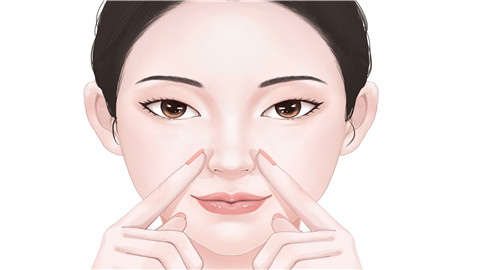
1. Dry and dehydrated facial skin: Dry environments, excessive cleansing, or insufficient moisturizing can lead to water loss from the stratum corneum of the face, causing the skin to contract and feel tight, resulting in a "mask-like" sensation. It is advisable to use gentle facial cleansers, apply ceramide-containing moisturizers after washing the face, and use a humidifier indoors to maintain proper humidity.
2. Muscle tension due to emotional stress: During prolonged anxiety or stress, facial muscles remain in a contracted state and cannot relax, leading to a stiff "mask-like" feeling. Practicing meditation and deep breathing can help relieve emotional tension. Massaging facial muscles during free time promotes blood circulation and helps muscles relax.
3. Contact dermatitis: Irritating ingredients or allergens in cosmetics or skincare products may trigger facial inflammation, causing redness, swelling, itching, tightness, and a "mask-like" sensation. After evaluation by a doctor, topical treatments such as calamine lotion, hydrocortisone butyrate cream, or desonide cream can be used to reduce inflammation, and suspected products should be discontinued.
4. Facial eczema: Moisture exposure, allergies, and other factors can damage the facial skin barrier, triggering eczema with symptoms including dryness, flaking, and red patches, which worsen the "mask-like" sensation and are often accompanied by itching. After diagnosis by a physician, topical applications such as dampness-removing anti-itch ointment, tacrolimus ointment, or pimecrolimus cream can control eczema; scratching should be avoided.
5. Seborrheic dermatitis: Excessive sebum production combined with Malassezia infection leads to inflammatory reactions, resulting in oily red patches and scaling on the face, along with a tight, "mask-like" sensation. Under medical guidance, topical antifungal agents such as ketoconazole cream, miconazole cream, or selenium sulfide shampoo may be applied to suppress fungal growth, and oily foods should be reduced in the diet.
In daily life, avoid frequently changing skincare products and maintain a regular sleep schedule. If the "mask-like" sensation persists or is accompanied by facial numbness, seek medical care promptly and strictly follow medical advice for treatment.