


Redness on the nose, but not like a pimple—what could it be?
Dec 01, 2025
Source: Cainiu Health

Dr. Liu Wenmin
Introduction
Redness on the nose that doesn't resemble acne may be caused by local irritation, emotional fluctuations, seborrheic dermatitis, rosacea, or folliculitis. Improvement can be achieved through appropriate daily care or medical treatment depending on the specific condition. Daily nasal skin care should be maintained, avoiding irritation and squeezing; use skincare products suitable for your skin type.
Redness on the nose that doesn't look like acne may be caused by local irritation, emotional fluctuations, seborrheic dermatitis, rosacea, or folliculitis. Depending on the specific situation, improvements can be made through daily skincare routines, medication, and other treatments. Detailed analysis is as follows:
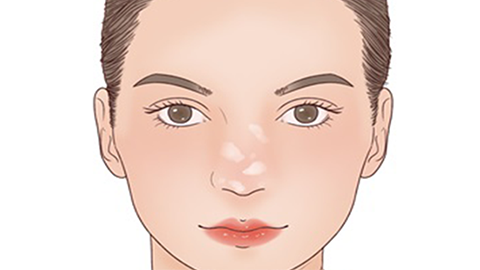
1. Local Irritation
Frequent touching, squeezing of the nose, or using irritating skincare products can damage the skin barrier and cause redness. Minimize touching the nose, discontinue use of irritating products, choose gentle moisturizing skincare items, and cleanse with lukewarm water.
2. Emotional Fluctuations
When emotionally stressed or excited, sympathetic nerve activation causes dilation of blood vessels in the nose, leading to redness. Maintain emotional stability, relieve stress through deep breathing or listening to music, and ensure adequate sleep.
3. Seborrheic Dermatitis
Excessive sebum production from nasal sebaceous glands combined with Malassezia infection can trigger inflammation, resulting in redness and flaking. Under medical guidance, topical antifungal or anti-inflammatory ointments such as ketoconazole cream, miconazole cream, or tacrolimus ointment may be used. Keep the nasal area clean and dry.
4. Rosacea
Genetic predisposition combined with external triggers leads to abnormal vascular regulation in the nose, causing persistent redness. Follow a doctor’s advice for oral medications such as doxycycline tablets, minocycline capsules, or isotretinoin soft capsules, along with topical metronidazole gel.
5. Folliculitis
Bacterial infection of hair follicles in the nasal area causes inflammatory red papules. With medical guidance, apply topical antibiotics such as mupirocin ointment or fusidic acid cream, take oral cephuroxime axetil tablets if needed, and avoid squeezing the affected area.
In daily life, proper nasal skin care should be maintained—avoid irritation and squeezing; select skincare products suitable for your skin type to maintain a healthy balance of moisture and oil; eat a light diet low in spicy foods to reduce vascular stimulation; seek timely medical attention for persistent redness to enable early intervention and faster recovery.






