


What causes black hard particles to be squeezed out from the pores under the armpits, and what should be done about it?

Black hard particles squeezed from underarm pores may result from sebum accumulation, abnormal keratin metabolism, folliculitis, keratosis pilaris, or sebaceous cysts. These conditions can be improved through proper cleansing, exfoliation, and medical treatment. If the number of particles increases, or if redness, swelling, pain, or infection occurs, prompt medical attention is necessary.
1. Sebum Accumulation: The armpits contain abundant sebaceous glands. Secretions may mix with dust and sweat, hardening into black, firm particles. Usually, there is no significant discomfort. It is recommended to clean the underarms daily with a gentle body wash and keep the area dry. Avoid frequent squeezing.
2. Abnormal Keratin Metabolism: Active keratinization in underarm skin can lead to a buildup of dead skin cells that clog pores, combining with secretions to form hard particles. Regular use of mild exfoliating products is advised. Avoid excessive scrubbing and apply a moisturizing lotion after care.
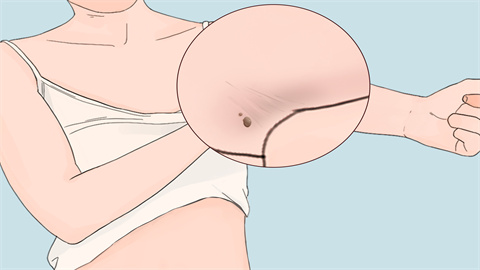
3. Folliculitis: Bacterial infection of hair follicles in the armpit causes inflammation, forming black hard particles containing bacterial plugs within pores, often accompanied by redness and mild pain. Under medical guidance, topical or oral antibiotics such as mupirocin ointment, erythromycin ointment, or cephalexin capsules may be used to relieve symptoms.
4. Keratosis Pilaris: This condition, caused by genetic factors or vitamin A deficiency, leads to thickened keratin around hair follicles, blocking pores and forming black hard particles. Lesions are typically symmetrical and lack obvious inflammation. Under medical supervision, treatments such as tretinoin cream, urea ointment, or vitamin A softgels may help alleviate symptoms.
5. Sebaceous Cyst: Blockage of sebaceous gland ducts causes secretions to accumulate and form a cyst. A black opening may appear at the top, from which blackish, firm material can be expressed, along with localized swelling. As directed by a physician, medications such as fusidic acid cream, amoxicillin capsules, or metronidazole gel may be used to manage symptoms.
Maintain clean and dry underarms, wear loose, breathable cotton clothing, avoid frequent squeezing or scratching, eat a light diet low in oily and spicy foods, and maintain regular sleep patterns to reduce the risk of pore blockage and infection.


