What does it mean if the skin becomes ulcerated and pus-discharging after applying corn plaster, and what should be done?
Dec 01, 2025
Source: Cainiu Health

Dr. Liu Wenmin
Introduction
In general, skin ulceration and pus discharge after applying corn plaster may be caused by prolonged application leading to skin corrosion, continuous pressure on the applied area, local bacterial infection, secondary infection from contact dermatitis, diabetes, or other reasons. It is recommended to seek medical attention promptly, identify the underlying cause, and under a doctor's guidance, improve the condition through general management, medication, or other treatments.
Generally, skin ulceration with pus after applying corn plasters may be caused by prolonged application leading to skin corrosion, continuous pressure on the applied area, local bacterial infection, secondary infection due to contact dermatitis, or diabetes. It is recommended to seek medical attention promptly, identify the underlying cause, and improve the condition through general care, medication, or other treatments under a doctor's guidance. Specific causes are analyzed as follows:
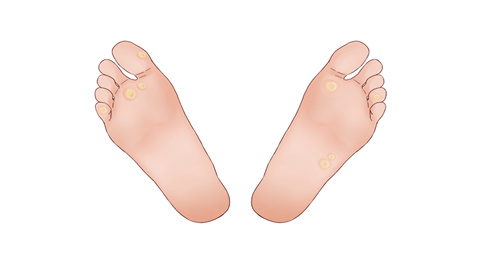
1. Skin corrosion due to prolonged application: Corn plasters contain corrosive ingredients; applying them for more than 48 hours can easily damage healthy skin tissue, leading to ulceration and pus discharge. Immediately discontinue use of the plaster, rinse the affected area with normal saline, gently pat dry with sterile gauze, change the gauze daily to keep the wound dry, and avoid friction on the affected area.
2. Continuous pressure on the applied site: Prolonged standing or walking after application can lead to local tissue ischemia and hypoxia, worsening the ulceration. Reduce weight-bearing on the affected area, wear loose and soft shoes, avoid prolonged standing, and elevate the affected limb during rest to promote local blood circulation and accelerate wound healing.
3. Local bacterial infection: When an ulcerated wound is exposed, it may become invaded by *Staphylococcus aureus*, causing infection with pus, redness, swelling, and pain. Follow your doctor’s instructions to use medications such as mupirocin ointment, fusidic acid cream, or cefuroxime axetil tablets. Disinfect the wound with iodophor before each dressing change to prevent the spread of infection.
4. Secondary infection from contact dermatitis: Allergic reactions to ingredients in the corn plaster can cause dermatitis. Once the skin barrier is compromised, secondary infection may occur, resulting in ulceration and pus. Under medical supervision, medications such as loratadine tablets, calamine lotion, or compound polymyxin B ointment may be used. Thoroughly remove any residual plaster components and avoid re-exposure.
5. Diabetes: Poor blood glucose control impairs skin regeneration, making ulcers difficult to heal and prone to recurrent infections. Patients should follow their doctor’s advice to manage blood sugar using insulin injection, glimepiride tablets, metformin tablets, etc., while enhancing wound care and regularly monitoring blood glucose levels.
In daily life, maintain a light diet and increase intake of protein-rich foods to support tissue repair. Avoid spicy and irritating foods, maintain regular sleep patterns to boost immunity. With proper wound care and treatment, ulcerated wounds can heal effectively and skin health can be preserved.