


What causes skin darkening, dryness, and peeling, and what should be done about it?
Dec 01, 2025
Source: Cainiu Health

Dr. Liu Wenmin
Introduction
Skin darkening, dryness, and peeling may result from ultraviolet radiation causing pigment deposition, dry environmental conditions leading to dehydration, xerotic eczema, post-inflammatory pigmentation, ichthyosis, or other causes. It is recommended to seek medical attention promptly, identify the underlying cause, and then improve the condition through general measures, medications, or other treatments under a doctor's guidance. In daily life, consume more vitamin C-rich fruits and vegetables such as oranges and strawberries to help inhibit pigment formation.
Skin darkening, dryness, and peeling are generally caused by factors such as ultraviolet (UV) radiation leading to pigment deposition, dry environmental conditions with insufficient hydration, xerosis (dry eczema), post-inflammatory hyperpigmentation, or ichthyosis. It is recommended to seek timely medical evaluation to identify the underlying cause, followed by appropriate interventions under a doctor's guidance, including general care and medication. Specific causes are analyzed below:
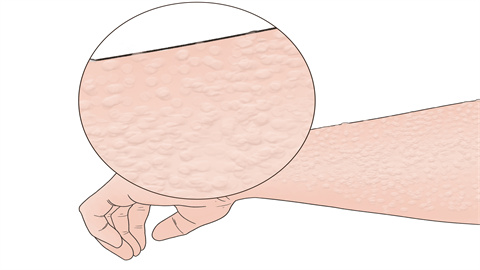
1. UV Radiation-Induced Pigment Deposition: Prolonged sun exposure increases melanocyte activity and damages the skin barrier, resulting in water loss, skin darkening, dryness, and peeling. Apply sunscreen with SPF 30+ when going outdoors, wear wide-brimmed hats for sun protection, cleanse the face with lukewarm water daily followed by moisturizer, and use hydrating face masks twice weekly to restore the skin barrier.
2. Dry Environment and Dehydration: Low air humidity during autumn and winter, or inadequate fluid intake, accelerates skin moisture loss, causing dry, flaky stratum corneum and dull complexion. Use a humidifier indoors to maintain humidity between 40% and 60%, drink 1500–2000 mL of water daily, and choose moisturizers containing ceramides to lock in moisture.
3. Xerosis (Dry Eczema): Reduced sebum production leads to inflammation, presenting as dry skin, scaling, light brown pigmentation, and itching. Patients should use medications such as calamine lotion, desonide cream, or hydrocortisone butyrate cream as prescribed. Keep bathwater temperature below 37°C and avoid excessive cleansing.
4. Post-Inflammatory Hyperpigmentation: After resolution of skin inflammation, localized overactivity of melanocytes causes skin darkening, often accompanied by dryness and peeling. Follow medical advice to apply topical treatments such as hydroquinone cream, tretinoin cream, or azelaic acid cream. Avoid friction on affected areas and practice strict sun protection to prevent worsening pigmentation.
5. Ichthyosis: A genetic disorder causing abnormal keratinization and reduced sebum secretion, leading to widespread dry, scaly skin—especially on limbs and trunk—with darker skin tone. Treatments include using prescribed medications such as compound lactic acid cream, tretinoin cream, or isotretinoin soft capsules. Immediately apply petroleum jelly after bathing to seal in moisture.
In daily life, consume more vitamin C-rich fruits and vegetables such as oranges and strawberries to help inhibit pigment formation. Avoid frequent use of exfoliating products to minimize skin irritation. Maintain a regular sleep schedule and avoid staying up late. With proper skincare, dryness and peeling can be improved, and skin tone can become brighter.






