


How to quickly heal a torn frenulum
Dec 01, 2025
Source: Cainiu Health

Dr. Cao Zhiqiang
Introduction
Methods for rapid healing of a torn frenulum include cleaning and disinfecting the wound, keeping the wound dry, applying ointments that promote healing, minimizing local friction, and supplementing nutrients to aid tissue repair. Gently rinse the wound with saline solution to remove surface dirt and bacteria, then use a sterile cotton swab dipped in iodophor to carefully apply it to the wound and surrounding skin; avoid using disinfectants that are highly irritating.
Under normal circumstances, methods for rapid healing of a torn frenulum include cleaning and disinfecting the wound, keeping the wound dry, applying healing-promoting ointment, reducing local friction, and supplementing nutrients to aid tissue repair. Specific measures are as follows:
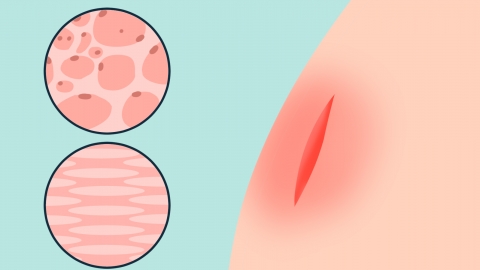
1. Clean and disinfect the wound: Gently rinse the wound with saline solution to remove surface dirt and bacteria. Then use a sterile cotton swab dipped in iodophor to gently apply it to the wound and surrounding skin. Avoid using harsh or irritating disinfectants. Disinfect the area 1–2 times daily to prevent infection and create a clean environment conducive to healing.
2. Keep the wound dry: After cleaning and disinfection, allow the wound to air-dry naturally. Avoid prolonged exposure to moist conditions. Wear loose, breathable clothing to reduce irritation from sweat. After bathing, gently pat the area around the wound dry with a sterile towel to prevent moisture-related infections or delayed healing.
3. Apply healing-promoting ointment: Choose a mild ointment that promotes wound healing, such as recombinant human epidermal growth factor gel. Use a sterile cotton swab to apply an appropriate amount evenly over the wound surface 1–2 times daily. The active ingredients can accelerate skin cell regeneration and shorten healing time. Avoid applying too thickly.
4. Reduce local friction: Wear loose, soft cotton clothing to prevent repeated rubbing against the wound, which may cause secondary injury. Avoid strenuous physical activity or prolonged sitting in daily life to minimize local pressure. Keeping the wound in a relatively relaxed state reduces factors that may interfere with healing.
5. Supplement nutrients to support repair: Increase intake of protein- and vitamin C-rich foods such as eggs, milk, and fresh fruits and vegetables. Protein provides essential building blocks for skin repair, while vitamin C promotes collagen synthesis, enhancing the skin’s ability to regenerate and supporting wound healing from within.
During care, monitor the wound’s healing progress. If symptoms such as increased redness and swelling, pus discharge, or severe pain occur, seek medical attention promptly.








