


How to treat herpes-type athlete's foot
Dec 01, 2025
Source: Cainiu Health

Dr. Liu Wenmin
Introduction
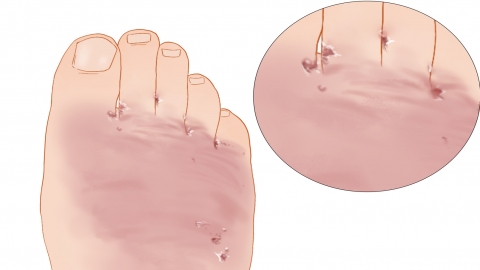
Herpetic-type tinea pedis usually refers to herpetic-type athlete's foot. Generally, treatment methods for herpetic-type athlete's foot mainly include routine care, topical antifungal medications, oral antifungal medications, traditional Chinese medicine therapy, and local wet dressing therapy. During treatment, patients must strictly follow medical instructions for medication use and should not discontinue treatment on their own even if symptoms improve, in order to avoid recurrence.
Herpetic tinea pedis usually refers to the vesicular type of athlete's foot. Generally, treatment methods for vesicular tinea pedis include general management, topical antifungal therapy, oral antifungal therapy, traditional Chinese medicine (TCM) treatment, and local wet compress therapy, among others. A detailed analysis is as follows:
1. General Management
The feet are prone to moisture, which facilitates fungal growth; therefore, it is essential to keep them clean and dry. Feet should be thoroughly dried after washing, especially between the toes. Choose breathable cotton socks and change them daily. Shoes should be regularly aired out and disinfected. Avoid sharing slippers, foot basins, or other personal items to prevent cross-infection.
2. Topical Antifungal Therapy
Topical medications act directly on the affected area to kill fungi and serve as a fundamental treatment approach. Under medical guidance, patients may use miconazole nitrate cream, terbinafine hydrochloride spray, or bifonazole gel. These drugs inhibit fungal cell membrane synthesis, thereby blocking fungal growth and reproduction.
3. Oral Antifungal Therapy
When the infection covers a large area or topical treatments are ineffective, systemic antifungal therapy via oral medication is required. Under a doctor’s supervision, patients may take itraconazole capsules, fluconazole tablets, or terbinafine hydrochloride tablets. These medications enter the bloodstream and reach deeper fungal infections throughout the body.
4. Traditional Chinese Medicine (TCM) Treatment
According to TCM theory, vesicular tinea pedis is primarily caused by downward infiltration of damp-heat. Treatment focuses on clearing heat, eliminating dampness, killing parasites, and relieving itching. Commonly used herbal preparations include Zuguang Powder and Compound Sophora Root Salicylic Acid Powder. Acupuncture may also be used to regulate qi and blood flow, alleviate foot discomfort, and enhance the body’s ability to expel pathogens.
5. Local Wet Compress Therapy
When blisters, erosion, or exudation occur on the feet, local wet compresses can be applied first. Gauze soaked in boric acid solution or acriflavine solution can be placed on the affected area to reduce exudation, relieve redness, swelling, and itching, and create favorable skin conditions for subsequent treatments.
During treatment, patients must strictly follow medical instructions and should not discontinue medication prematurely even if symptoms improve, to avoid recurrence. Daily attention to foot hygiene, maintaining a dry environment, and regular disinfection of personal items are crucial. If complications such as blister rupture with infection or symptom spreading occur, prompt medical consultation is necessary to adjust the treatment plan.



