


Can contact with hepatitis patients lead to infection?
Dec 01, 2025
Source: Cainiu Health

Dr. Huang Yuhong
Introduction
Whether contact with hepatitis patients is contagious depends on the type. Hepatitis A spreads through the digestive tract; sharing utensils or consuming food contaminated by a patient's feces may lead to infection. Hepatitis B and C spread through blood or bodily fluids; contact with exudate from broken skin of infected individuals or sharing toothbrushes may cause infection. Patients who are in the infectious stage should take appropriate protective measures.
Generally speaking, whether contact with a hepatitis patient is contagious depends on the type. Hepatitis A and B carry a risk of transmission, while hepatitis C after cure or hepatitis E after recovery is usually no longer contagious. If in doubt, it is recommended to consult a healthcare provider in advance. Specific details are as follows:
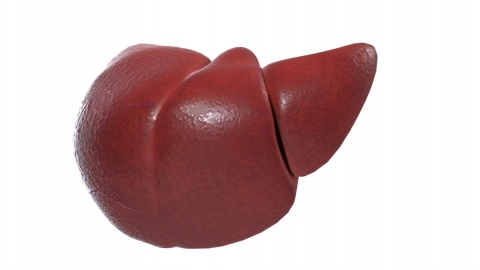
Hepatitis A spreads via the digestive tract; infection may occur through sharing eating utensils or consuming food contaminated by the patient's feces. Hepatitis B and C spread through blood or bodily fluids; contact with exudate from broken skin or sharing toothbrushes may lead to infection. Patients who are in the infectious period should take appropriate precautions.
After successful standardized treatment, hepatitis C patients clear the virus from their bodies, making transmission through contact impossible. Once recovered, hepatitis E patients no longer shed the virus, so there is no risk of infection through daily contact. In addition, casual interactions such as shaking hands or hugging without exposure to bodily fluids do not transmit hepatitis.
It is important to maintain good personal hygiene, avoid sharing personal hygiene items, and wash hands promptly after contact with patients. If unsure about your antibody status, seek medical testing and consider vaccination when necessary for prevention.





