Renal tuberculosis leads to kidney necrosis within a few years.
Dec 01, 2025
Source: Cainiu Health

Dr. Yang Guang
Introduction
If renal tuberculosis is diagnosed early and standard anti-tuberculosis treatment is promptly initiated, with regular intake of anti-tuberculosis medications throughout the course and periodic follow-up assessments of renal function and imaging indicators, the condition can be effectively controlled in most patients. Inflammation gradually subsides, progression of kidney tissue damage halts, and renal necrosis can be effectively prevented. In some patients, complete recovery may even be achieved.
In general, there is no fixed timeframe for renal tuberculosis to progress to kidney necrosis. With timely treatment, kidney necrosis can be avoided; without intervention, the disease may gradually progress over several years to more than a decade. If concerned, it is recommended to seek medical consultation early. Detailed analysis is as follows:
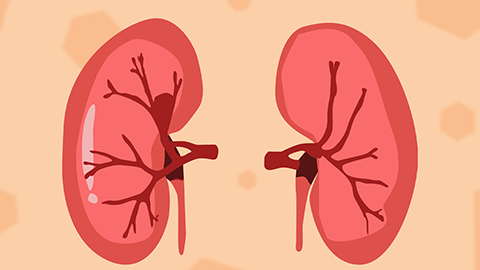
If standard anti-tuberculosis treatment is promptly initiated after diagnosis of renal tuberculosis, with full-course administration of anti-tuberculosis drugs and regular follow-up assessments of renal function and imaging findings, the condition can be effectively controlled in most patients. Inflammation gradually subsides, progression of kidney tissue damage halts, and renal necrosis can thus be effectively prevented. In some cases, complete recovery may even be achieved.
If renal tuberculosis remains undetected or untreated after diagnosis, Mycobacterium tuberculosis will continuously destroy kidney tissue, leading to progressive necrosis and fibrosis of the renal parenchyma and gradual deterioration of renal function. The rate of progression varies among individuals and depends on the severity of infection and the patient's immune status, potentially taking several years to over a decade. In severe cases, it may progress to complete kidney necrosis, necessitating surgical removal of the affected kidney.
Patients with renal tuberculosis should receive standardized treatment as early as possible and must not discontinue or adjust medication doses arbitrarily. Regular monitoring of renal function and disease progression during treatment is essential. Daily rest, avoidance of fatigue, and improved nutrition are also important to enhance immune resistance and slow disease progression.