Clinical Manifestations of Renal Tuberculosis
May 14, 2022
Source: Cainiu Health

Dr. Zhao Xinju
Introduction
Renal tuberculosis is a chronic, progressive, and destructive disease caused by *Mycobacterium tuberculosis* infection. The primary tuberculous focus, disseminated hematogenously, reaches the renal cortex bilaterally, leading to the formation of renal tuberculous lesions. In its early stage, renal tuberculosis is often asymptomatic; however, as the disease progresses, classic clinical manifestations may develop—such as urinary frequency, urgency, and dysuria—with urinary frequency typically being the earliest symptom. Renal lesions may extend to involve the bladder wall.
Renal tuberculosis is a chronic, progressive, and destructive disease caused by Mycobacterium tuberculosis infection, posing a serious threat to human health and thus warranting close attention. What are the clinical manifestations of renal tuberculosis?
Clinical Manifestations of Renal Tuberculosis
Tuberculosis is a chronic, progressive, and destructive disease caused by Mycobacterium tuberculosis. The primary tuberculous focus spreads hematogenously to the renal cortex bilaterally, establishing renal tuberculous lesions. In its early stage, renal tuberculosis often presents with no obvious symptoms; however, as the disease progresses, typical clinical manifestations may emerge—such as urinary frequency, urgency, and dysuria—with urinary frequency frequently being the earliest symptom. When renal lesions involve the bladder wall, urinary urgency and dysuria may occur. Additional symptoms include hematuria, pyuria, flank pain, and palpable abdominal or flank masses. Systemic symptoms are generally mild in renal tuberculosis patients, though advanced cases may present with fever, night sweats, weight loss, anemia, and anorexia.
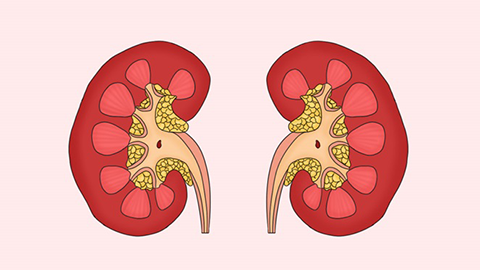
During treatment of renal tuberculosis, comprehensive supportive care—including adequate nutrition, rest, a favorable environment, and avoidance of fatigue—is essential. Furthermore, treatment selection—whether medical (antitubercular drug therapy) or surgical—must be individualized based on both the patient’s systemic condition and the extent of renal involvement. Tuberculous stenosis or reflux at the ureteral orifice or distal ureter on the contralateral (healthy) side may lead to secondary involvement of the healthy kidney, ultimately resulting in renal failure and death. Urinary tract tuberculosis is primarily managed medically; antitubercular drugs not only effectively treat early-stage renal tuberculosis but may also reduce the extent of required surgical intervention in some patients. Therefore, therapeutic decision-making for renal tuberculosis must comprehensively consider both the degree of renal damage and the patient’s overall clinical status to select the most appropriate treatment strategy.
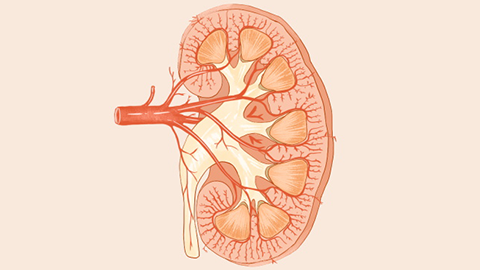
In daily life, if renal tuberculosis becomes severe, prompt medical consultation is crucial to prevent disease progression and complications. We hope this information has been helpful to you!