


Can H5N6 avian influenza infect humans?
Dec 02, 2025
Source: Cainiu Health

Dr. Ren Yi
Introduction
If a person has direct contact with live or dead poultry carrying the H5N6 virus, or comes into contact with poultry secretions, excretions, or environments contaminated by the virus (such as poultry houses or slaughter sites) without proper protection, the virus may enter the body through the respiratory tract, mucous membranes, or broken skin, leading to infection. Such cases mostly occur among people who frequently handle poultry, such as those involved in poultry farming, slaughtering, and sales.
Under normal circumstances, H5N6 avian influenza can potentially infect humans, with risk arising from close contact with infected birds. However, there is no risk of transmission through ordinary daily contact. If concerned, it is recommended to seek medical advice in advance. Detailed analysis is as follows:
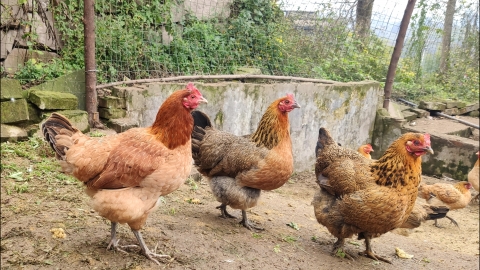
Humans may become infected if they have direct contact with live or dead poultry carrying the H5N6 virus, or with secretions, excretions, or environments (such as poultry houses or slaughter sites) contaminated by the virus, especially without proper protection (e.g., not wearing gloves or masks). The virus can enter the body through the respiratory tract, mucous membranes, or broken skin, leading to infection. Such cases mostly occur among people frequently exposed to poultry, such as those involved in poultry farming, slaughtering, or sales.
If a person has not been in contact with infected poultry or contaminated environments, and only interacts with healthy individuals in daily life or consumes thoroughly cooked poultry meat and eggs, there is no risk of contracting H5N6 avian influenza. The virus is easily inactivated at high temperatures, and thorough cooking effectively kills the virus. Currently, there is no evidence that this virus can sustainably spread between humans, so the general public does not need to panic unnecessarily.
To reduce risks: avoid contact with live or dead poultry; wash and disinfect hands promptly after handling poultry-related items; ensure poultry meat and eggs are thoroughly cooked before consumption; if symptoms such as fever or cough develop following exposure to poultry, seek medical attention promptly and inform healthcare providers of the exposure history to facilitate early diagnosis.



