


What does the anti-liver antigen panel test for?
Dec 02, 2025
Source: Cainiu Health

Dr. Huang Yuhong
Introduction
The hepatitis antigen panel includes tests for various liver-related antigens, such as hepatitis B surface antigen, hepatitis B e antigen, and hepatitis C antibody. These markers reflect whether the liver is infected by viruses and the level of viral activity. For example, a positive hepatitis B surface antigen suggests possible infection with the hepatitis B virus and requires further testing for confirmation.
Generally, the liver antigen panel is a test used to detect liver-related antigens, helping diagnose liver diseases and assess overall health. If any abnormal indicators are found, it is recommended to seek medical attention promptly. The detailed analysis is as follows:
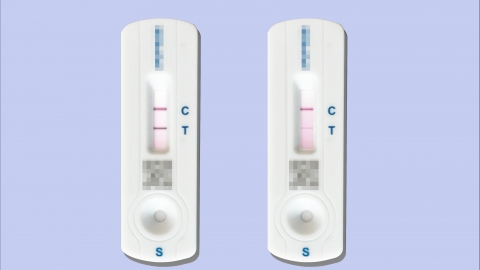
The liver antigen panel includes various tests for liver-related antigens, such as hepatitis B surface antigen (HBsAg), hepatitis B e-antigen (HBeAg), and hepatitis C antibody. These markers reflect whether the liver is infected by viruses and the level of viral activity. For example, a positive hepatitis B surface antigen suggests possible infection with the hepatitis B virus, requiring further testing for confirmation.
In addition, the liver antigen panel also covers autoantibody tests related to autoimmune liver diseases, such as antinuclear antibodies (ANA). A positive result for these antibodies may indicate that the immune system is attacking the liver, suggesting conditions like primary biliary cholangitis or autoimmune hepatitis.
Prior to undergoing the liver antigen panel test, patients should follow medical advice, avoid alcohol consumption, and refrain from taking certain medications that might affect test results. Testing should be conducted at professional healthcare facilities to ensure accurate and reliable results, providing a solid foundation for subsequent diagnosis and treatment.



