


What consequences can a parotid cyst cause?
Dec 02, 2025
Source: Cainiu Health

Dr. Liu Wenmin
Introduction
Parotid cysts can generally lead to local swelling and bulging, changes in facial appearance, compression of surrounding tissues, infection and inflammation, as well as impaired saliva secretion. As fluid accumulates within the cyst, it gradually enlarges, causing noticeable swelling and protrusion in the area below the earlobe and on the cheek where the parotid gland is located. In the early stages, there may be only slight elevation; however, as the cyst grows larger over time, it can develop into a palpable mass.
Parotid cysts can generally lead to local swelling and bulging, changes in facial appearance, compression of surrounding tissues, infection and inflammation, and impaired saliva secretion. The details are as follows:
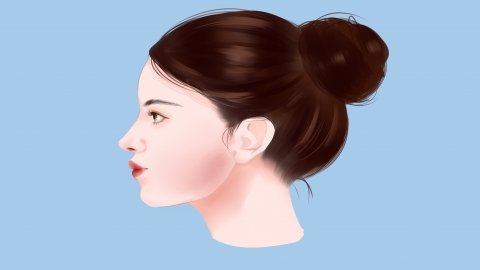
1. Local swelling and bulging: As fluid accumulates, parotid cysts gradually enlarge, causing noticeable swelling and protrusion in the area below the earlobe and on the cheek. Initially, there may be only slight elevation, but as the cyst grows larger, it forms a palpable mass that is soft in texture and well-defined in boundary.
2. Facial appearance changes: As the cyst increases in size, facial swelling becomes more apparent, potentially leading to asymmetry between the two cheeks. When the cyst is located in a prominent position, it directly affects facial aesthetics, which may cause psychological stress for individuals concerned about their physical appearance.
3. Compression of surrounding tissues: Once the cyst reaches a certain size, it may compress nearby nerves, blood vessels, or glandular tissues, possibly causing local pain or numbness. If the facial nerve is compressed, it could result in restricted facial muscle movement, such as facial drooping or deviation of the mouth corner.
4. Infection and inflammation: If the cyst ruptures or is irritated by external factors, leakage of cyst fluid may trigger local infection, resulting in inflammatory reactions such as redness, swelling, pain, and fever. In severe cases, abscess formation may occur, requiring anti-infective treatment to control the condition.
5. Impaired saliva secretion: The parotid gland is one of the major salivary glands. If a cyst compresses the parotid tissue, normal saliva secretion may be disrupted, leading to dry mouth and reduced salivation, thereby affecting chewing and digestion during eating.
Upon discovering a parotid cyst, prompt medical evaluation is recommended to determine the nature and size of the cyst. Avoid frequent touching or squeezing the cyst to prevent rupture and infection. If the cyst continues to grow or causes discomfort, follow medical advice to choose an appropriate treatment method and avoid delaying the management of the condition.







