


What happens if you scratch and break open chickenpox blisters?
Dec 02, 2025
Source: Cainiu Health

Dr. Liu Wenmin
Introduction
Scratching open chickenpox lesions typically leads to consequences such as scarring, skin infections, prolonged healing time, and the spread of infection. The fluid within chickenpox blisters contains the virus; scratching damages the surface layers of the skin. If the injury extends into the dermis, excessive fibrous tissue may form during the healing process, resulting in depressed or hypertrophic scars—particularly on exposed areas such as the face and trunk.
Generally, scratching and breaking open chickenpox blisters can lead to consequences such as scarring, skin infections, prolonged healing time, spread of infection, and localized pain. A detailed analysis is as follows:
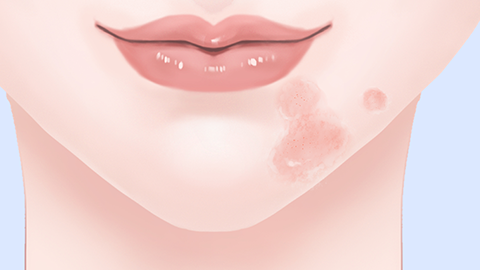
1. Scarring: The fluid inside chickenpox blisters contains the virus. Scratching and breaking the blisters damages the surface layers of the skin. If the injury reaches the dermis, excessive fibrous tissue may form during the healing process, resulting in depressed or hypertrophic scars. This is especially noticeable on exposed areas such as the face and trunk, affecting skin appearance.
2. Skin infection: Fingernails harbor large numbers of bacteria. When chickenpox blisters are scratched open, these bacteria can enter the broken skin and cause local infections, leading to symptoms such as redness, swelling, pus formation, and fever. In severe cases, it may develop into cellulitis, requiring antibiotic treatment for control.
3. Prolonged healing time: Scratching delays the skin’s natural healing process. Blisters that would otherwise dry and crust over naturally become vulnerable to external irritation and infection once broken, significantly extending the healing period and delaying the return to normal skin condition.
4. Spread of infection: After a blister is broken, the viral fluid may contaminate surrounding healthy skin, triggering new rashes and expanding the affected area. Additionally, the virus can be transmitted to others through direct contact, increasing the risk of spreading the infection.
5. Localized pain: Chickenpox often causes mild itching. Once scratched open, the damaged skin stimulates nerve endings, causing localized pain. This pain becomes more pronounced during movement or when clothing rubs against the area, interfering with daily activities and rest.
Upon noticing chickenpox, trim fingernails and keep them clean to avoid scratching. If blisters have already been broken, gently clean the affected area with a mild disinfectant and keep it dry. Seek medical attention promptly if signs of infection appear, and follow medical advice regarding medication to promote proper healing.



