What is the likelihood of contracting HIV through oral infection?
Dec 02, 2025
Source: Cainiu Health

Dr. Liu Wenmin
Introduction
If there are wounds in the mouth such as ulcers or bleeding gums, or if the partner's genitals are damaged, the virus may enter the bloodstream through exchange of bodily fluids. The receiving partner is at higher risk, as their oral mucosa may come into direct contact with semen or vaginal secretions. Studies show that the per-act risk of transmission through oral sex is approximately 0–0.04%, but this risk increases with factors such as the number of open wounds and the presence of other sexually transmitted infections.
Generally, the risk of HIV infection through the oral cavity is low, but there are potential risks under specific circumstances. If there has been an unusual exposure, it is recommended to seek medical evaluation promptly. The detailed analysis is as follows:
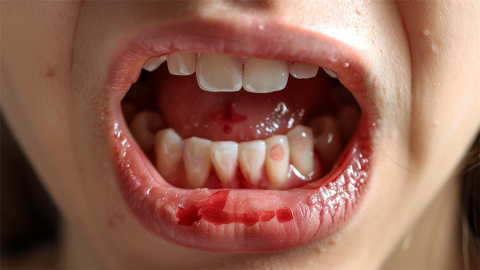
If the mucous membranes of the mouth or digestive tract are intact and undamaged, the mucosal barrier can effectively block viral entry when exposed to infected bodily fluids, making the risk of infection extremely low. The amount of virus in saliva is negligible, and the acidic environment of the stomach further inactivates the virus; therefore, everyday contact such as sharing meals or kissing does not lead to transmission.
However, if there are oral ulcers, bleeding gums, or other open wounds in the mouth, or if the partner has genital lesions, the virus may enter the bloodstream through exchange of bodily fluids. The receptive partner generally faces higher risk, as their oral mucosa may come into direct contact with semen or vaginal secretions. Studies indicate that the per-act risk of HIV transmission via oral sex ranges from 0 to 0.04%, though this risk increases with factors such as the number of open wounds or the presence of other sexually transmitted infections.
To reduce risk, avoid high-risk sexual behaviors, always use condoms correctly during sex, and do not share needles or razors with others. In the event of unprotected exposure, post-exposure prophylaxis (PEP) should be initiated within 72 hours, and regular HIV testing is recommended.