


Is slightly low globulin a sign of liver disease?
Dec 02, 2025
Source: Cainiu Health

Dr. Huang Yuhong
Introduction
If globulin is slightly low and accompanied by abnormalities in other liver function indicators, or symptoms such as fatigue, decreased appetite, and discomfort in the liver area, it may be related to liver disease. The liver is a site for synthesizing certain globulins; when liver cells are damaged, globulin production may decrease, leading to lower levels of this indicator. In such cases, further evaluation of liver condition is necessary to determine the underlying cause.
Generally, a slightly low globulin level may be related to liver disease, but it could also result from other factors. It is not advisable to make a diagnosis based solely on this single indicator. If concerned, it is recommended to seek medical advice promptly. Detailed analysis is as follows:
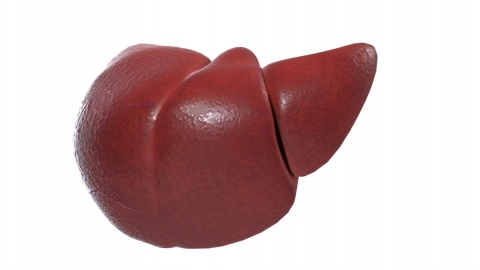
If a slightly low globulin level is accompanied by abnormalities in other liver function indicators (such as transaminases and bilirubin), or symptoms such as fatigue, decreased appetite, or discomfort in the liver area, it may be associated with liver disease. The liver is responsible for synthesizing certain globulins; when liver cells are damaged, globulin production may decrease, leading to lower levels. In such cases, further evaluation of liver health is necessary to determine the underlying cause.
If globulin is only mildly reduced, other liver function tests are normal, and there are no physical symptoms, the cause may be non-hepatic. Conditions such as chronic malnutrition (due to insufficient protein intake), temporary immune suppression (e.g., from excessive fatigue), or long-term use of immunosuppressive medications can all lead to a transient, slight decrease in globulin levels. These situations typically do not require excessive concern and the levels may gradually return to normal after lifestyle adjustments.
After detecting a slightly low globulin level, it's important to interpret the result in conjunction with a complete liver function panel. Maintain a balanced diet in daily life and moderately increase intake of high-quality proteins. Recheck the levels after 1–2 months; if the levels remain low or any symptoms develop, seek medical attention promptly for further evaluation.



