


What does elevated gamma-glutamyl transferase mean, and what should be done?
Dec 02, 2025
Source: Cainiu Health

Dr. Gao Jun
Introduction
Elevated gamma-glutamyl transferase (GGT) levels may result from excessive alcohol consumption, staying up late, fatigue, fatty liver, bile duct stones, or viral hepatitis. Improvement can be achieved through alcohol abstinence, adjusting sleep patterns, dietary modifications, and medication. If GGT levels continue to rise or are accompanied by symptoms such as jaundice or abdominal pain, prompt medical attention is necessary. Alcohol directly irritates liver cells and the biliary system.
Elevated gamma-glutamyl transferase (GGT) levels may result from excessive alcohol consumption, staying up late with fatigue, fatty liver, bile duct stones, or viral hepatitis. These conditions can be improved through alcohol cessation, adjusting sleep patterns, dietary modifications, and medication treatment. If GGT levels continue to rise or are accompanied by jaundice or abdominal pain, prompt medical attention is necessary.
1. Excessive alcohol consumption: Alcohol directly irritates liver cells and the biliary system, increasing metabolic burden and leading to elevated enzyme activity, possibly accompanied by discomfort in the liver area and nausea. It is recommended to quit alcohol immediately, avoid all alcoholic beverages, and adopt a light diet to reduce the burden on the liver and gallbladder.
2. Staying up late and fatigue: Chronic sleep deprivation and overexertion impair normal metabolism in the liver and gallbladder, causing mild elevation in enzyme levels, often accompanied by dizziness and fatigue. It is advised to maintain regular作息, ensure 7–8 hours of sleep per night, avoid overwork, and get adequate rest to promote recovery.
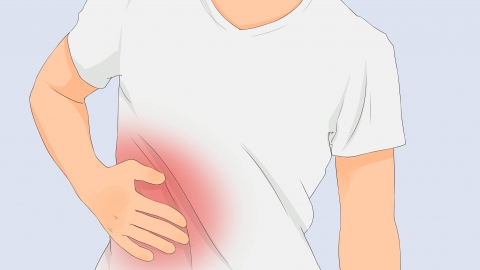
3. Fatty liver: A high-fat diet and obesity lead to fat accumulation in liver cells, stimulating the release of enzymes, accompanied by fatigue and dull pain in the liver area. It is recommended to take medications such as polyene phosphatidylcholine capsules, silibinin capsules, and reduced glutathione tablets under medical supervision to improve symptoms.
4. Bile duct stones: Stones blocking the bile ducts cause bile stasis, stimulating bile duct epithelial cells and leading to elevated enzyme levels, often accompanied by abdominal pain and fever. It is recommended to use medications such as ursodeoxycholic acid capsules, anti-inflammatory and cholagogue tablets, and cefixime dispersible tablets under medical guidance to relieve symptoms.
5. Viral hepatitis: Hepatitis viruses damage liver cells and the biliary system, resulting in increased enzyme levels, along with decreased appetite, fatigue, and jaundice. Patients may follow medical advice to use entecavir dispersible tablets, tenofovir disoproxil fumarate capsules, and diammonium glycyrrhizinate enteric-coated capsules to alleviate symptoms.
Maintain a light and balanced diet, consume more fresh fruits and vegetables and high-quality protein, reduce intake of high-fat, high-sugar, and spicy foods, keep a regular sleep schedule avoiding late nights, engage in moderate physical activity to manage body weight, avoid misuse of medications, and have regular liver function tests to monitor changes in liver enzyme levels.




