


What does it mean when liver function tests show elevated gamma-glutamyl transferase (GGT), and what should be done?
Dec 03, 2025
Source: Cainiu Health

Dr. Gao Jun
Introduction
In general, elevated liver function γ-glutamyl transferase (GGT) levels may be caused by excessive alcohol consumption, a greasy diet, biliary obstruction, viral hepatitis, or autoimmune liver disease. If discomfort symptoms occur, it is recommended to seek timely medical evaluation and treatment at a正规 hospital. In daily life, maintain a light diet, avoid high-fat foods and alcohol, and adhere to regular sleep patterns without staying up late.
Generally, elevated gamma-glutamyl transferase (GGT) levels in liver function tests may be caused by excessive alcohol consumption, a greasy diet, biliary obstruction, viral hepatitis, or autoimmune liver disease. If discomfort symptoms occur, it is recommended to seek timely medical evaluation and treatment at a正规 hospital. Specific analyses are as follows:
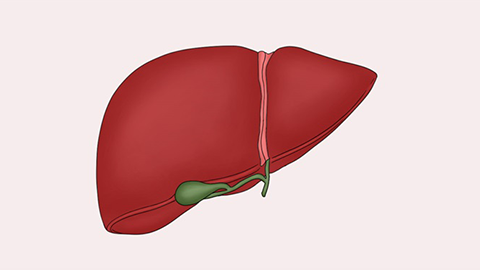
1. Excessive Alcohol Consumption
Alcohol metabolites such as acetaldehyde directly damage hepatocytes and bile duct cells, stimulating increased enzyme secretion. Immediately stop drinking alcohol and avoid all alcoholic beverages. Maintain a light diet and consume more fruits and vegetables rich in vitamins to support liver repair.
2. Greasy Diet
Long-term intake of high-fat foods leads to fat accumulation in the liver, impairing bile excretion and indirectly causing elevated enzyme levels. Adjust dietary habits by reducing fried foods and fatty meats, increasing whole grains and dietary fiber, and maintaining regular meal times to prevent overeating.
3. Biliary Obstruction
Conditions such as gallstones or bile duct strictures can block bile outflow, increasing pressure within the bile ducts and triggering enzyme release. Medications such as ursodeoxycholic acid capsules, anti-inflammatory and cholagogue tablets, or ademetionine butanedisulfonate enteric-coated tablets may be used under medical guidance. In severe cases, laparoscopic cholecystectomy may be required.
4. Viral Hepatitis
Hepatitis B or C viruses invade the liver, causing inflammation and damaging hepatocytes and bile duct cells. Antiviral medications such as entecavir tablets, tenofovir alafenamide fumarate tablets, or sofosbuvir/velpatasvir tablets may be prescribed under a physician’s supervision. Ensure adequate rest and avoid physical exhaustion.
5. Autoimmune Liver Disease
Autoantibodies mistakenly attack liver tissue, leading to chronic inflammation and elevated enzyme levels. Treatments may include prednisone tablets, azathioprine tablets, or mycophenolate mofetil capsules under medical supervision. Avoid taking any medications that may potentially harm the liver.
In daily life, maintain a light diet and avoid high-fat foods and alcohol; follow a regular sleep schedule and avoid staying up late to reduce the burden on the liver; consult healthcare professionals before taking any medication to prevent self-medication; and undergo regular liver function check-ups to detect and address issues early.


