


What to do about miliary tuberculosis
Dec 03, 2025
Source: Cainiu Health

Dr. Ren Yi
Introduction
Urgent anti-tuberculosis treatment, intensive symptomatic support, strict isolation and protection, close monitoring of the condition, and emphasis on prevention and management of complications are required for miliary tuberculosis. This disease has an acute onset and progresses rapidly, necessitating prompt and standardized intervention. If symptoms such as persistent high fever, difficulty breathing, or altered consciousness occur, immediate medical attention is recommended. Adhere to the principles of early initiation, combination therapy, appropriate dosage, regularity, and full-course treatment.
Miliary tuberculosis requires urgent anti-tuberculosis treatment, intensive symptomatic support, strict isolation and protection, close monitoring of the condition, and emphasis on prevention and management of complications. The disease has an acute onset and progresses rapidly, necessitating prompt and standardized intervention. If symptoms such as persistent high fever, difficulty breathing, or altered consciousness occur, immediate medical attention is recommended.
1. Emergency Anti-Tuberculosis Treatment: Follow the principles of early, combined, adequate, regular, and complete treatment. Use potent anti-tuberculosis drug regimens with sufficient dosage and full course duration. Do not discontinue or reduce medications without medical guidance to prevent development of drug resistance and compromised treatment outcomes.
2. Intensive Symptomatic Support: Provide physical cooling or antipyretic drugs for high fever; administer oxygen promptly for patients with breathing difficulties. Ensure adequate hydration and nutritional intake to enhance immune function and support anti-tuberculosis therapy.
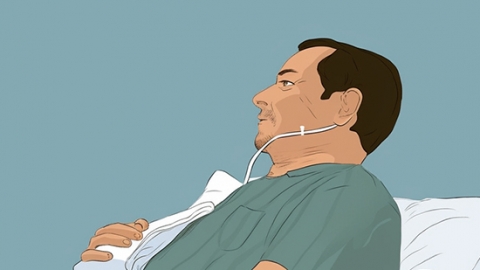
3. Strict Isolation and Protection: This disease is highly contagious and requires respiratory isolation. Patients should wear masks and avoid close contact with others. Living environments should be regularly ventilated and disinfected to prevent bacterial transmission.
4. Close Monitoring of Condition: Regularly monitor vital signs such as body temperature, respiration, and heart rate. Repeat chest X-rays or CT scans, complete blood counts, and liver and kidney function tests to assess lesion absorption and detect drug-related adverse effects, allowing timely adjustment of treatment plans.
5. Emphasis on Prevention and Management of Complications: Remain vigilant for severe complications such as tuberculous meningitis and respiratory failure. If symptoms like headache, vomiting, or drowsiness appear, initiate targeted treatments promptly to reduce the risk of disease deterioration.
In daily life, ensure adequate sleep and avoid staying up late or overexertion. Maintain a diet rich in high-quality protein and vitamins, keep emotions stable and avoid anxiety, strictly adhere to prescribed medication regimens, avoid crowded places, practice good personal hygiene, and take protective measures to promote recovery.



