How to use dietary therapy for viral hepatitis
Dec 03, 2025
Source: Cainiu Health

Dr. Gao Jun
Introduction
In general, when patients with viral hepatitis use dietary therapy as an adjunct to recovery, the key approaches include consuming a light diet rich in high-quality protein, increasing vitamin intake, choosing easily digestible staple foods, controlling fat consumption, and ensuring adequate hydration. Dietary therapy should be consistently followed over the long term, with attention to regular meal patterns and avoidance of binge eating or excessive dieting. It should be combined with moderate rest and avoidance of fatigue.
Generally, when patients with viral hepatitis use dietary therapy as an adjunct to recovery, the core approaches mainly include a light diet with high-quality protein, increased vitamin intake, selection of easily digestible staple foods, controlled fat consumption, and ensuring adequate hydration. The details are as follows:
1. Light, high-quality protein diet: Prioritize high-quality protein sources such as eggs, milk, fish, and tofu. These foods are easily absorbed by the body and help repair damaged liver cells. Use steaming, boiling, or stewing methods for cooking, avoiding frying. For example, steamed fish and tofu soup preserve nutrients while reducing the burden on the liver.
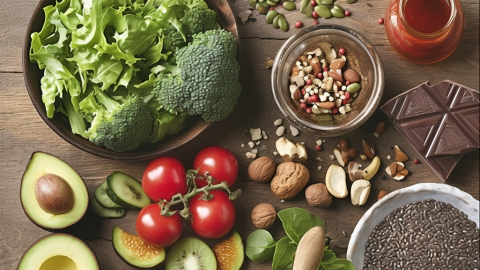
2. Increase vitamin intake: Consume more fresh vegetables and fruits such as spinach, broccoli, apples, and oranges to supplement vitamin C and B-complex vitamins, which promote liver metabolism. Vegetables and fruits can be made into salads or freshly squeezed juices, but should be consumed immediately after preparation to prevent nutrient loss.
3. Choose easily digestible staple foods: Focus on soft, easily digested staples like millet, oats, and noodles, replacing part of refined rice and flour to reduce gastrointestinal digestive stress and allow the liver to direct more energy toward self-repair. Millet porridge and vegetable noodles are excellent choices, best served warm to enhance absorption.
4. Control fat intake: Avoid high-fat foods such as fatty meats, animal organs, and fried foods, which may lead to fat accumulation in the liver and worsen the condition. Use plant oils such as olive oil or tea seed oil for cooking, strictly limiting daily oil intake to no more than 25 grams.
5. Ensure adequate hydration: Drink 1500–2000 mL of warm water daily, optionally combined with heat-clearing herbal teas such as chrysanthemum or honeysuckle flower tea, to promote blood circulation and toxin elimination. Avoid strong tea, coffee, and sugary beverages, which may irritate the liver.
Dietary therapy requires long-term adherence, along with regular eating habits, avoiding binge eating or extreme dieting. Combined with moderate rest and avoidance of fatigue, it can better support the recovery of patients with viral hepatitis.