


Can serum urea concentration levels be used to assess liver function?
Dec 03, 2025
Source: Cainiu Health

Dr. Gao Jun
Introduction
Serum urea concentration is generally not used directly to assess liver function, but in specific circumstances, it can serve as an auxiliary reference indicator for abnormal liver function. To maintain healthy liver and kidney function, one should start with diet and daily habits. Maintain a balanced protein intake, avoiding both excess and deficiency, and consume more high-quality protein, fresh fruits, and vegetables. Follow a regular sleep schedule and avoid staying up late to allow the liver sufficient time for repair.
Serum urea concentration generally cannot be directly used to assess liver function, but under certain circumstances, it may serve as an auxiliary reference indicator for abnormal liver function. The detailed analysis is as follows:
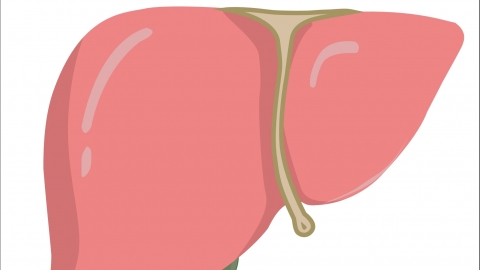
Serum urea is primarily excreted by the kidneys and is a common indicator reflecting renal function; thus, it cannot directly evaluate liver function. However, since the liver participates in urea synthesis, serum urea levels may only be affected in cases of severe liver disease. In advanced liver disease, extensive hepatocyte necrosis leads to impaired protein metabolism, insufficient substrates for urea synthesis, or abnormal ammonia metabolism that reduces urea production, resulting in decreased serum urea levels. Conversely, in end-stage cirrhosis complicated by hepatorenal syndrome, impaired kidney excretion function may lead to elevated serum urea levels. These changes can only serve as supportive references when interpreted alongside specific liver function tests.
Maintaining healthy liver and kidney function requires attention to diet and daily habits. Maintain balanced protein intake—avoiding both excess and deficiency—and consume more high-quality proteins and fresh fruits and vegetables. Follow a regular sleep schedule and avoid staying up late to allow sufficient liver repair. Strictly abstain from alcohol to reduce hepatocyte damage, and avoid indiscriminate use of medications. Engage in moderate exercise to improve overall health, and undergo regular liver and kidney function screenings to detect abnormalities early and intervene promptly.



