How severe is severe hepatitis?
Dec 03, 2025
Source: Cainiu Health

Dr. Gao Jun
Introduction
In general, severe hepatitis is a serious inflammatory condition of the liver that can trigger a series of health-threatening complications, including severe liver dysfunction, hepatic encephalopathy, coagulation disorders, hepatorenal syndrome, and an increased risk of cirrhosis. The disease progresses rapidly and has a highly variable prognosis. Immediate hospitalization and treatment are required for affected patients.
Generally, severe hepatitis is a serious inflammatory condition of the liver that triggers a series of health-threatening complications, primarily including severe liver dysfunction, hepatic encephalopathy, coagulation disorders, hepatorenal syndrome, and an increased risk of cirrhosis. A detailed analysis is as follows:
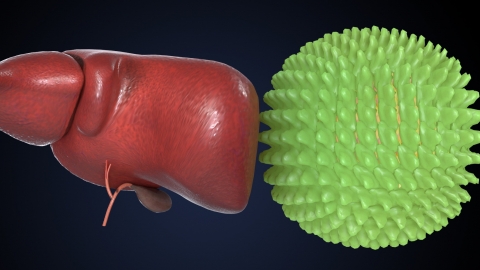
1. Severe Liver Dysfunction: Massive necrosis of hepatocytes leads to a sharp decline in the liver's core functions such as metabolism and detoxification. This results in elevated bilirubin levels, manifesting as jaundice of the skin and sclera, and darkened urine. The loss of detoxification capacity causes accumulation of toxins in the body, further exacerbating systemic damage.
2. Hepatic Encephalopathy: The liver fails to effectively remove toxic substances from the body, allowing toxins to enter the brain via the bloodstream and disrupt neurological function. Patients may experience confusion, behavioral abnormalities, and drowsiness. In severe cases, this can progress to coma, causing irreversible damage to the nervous system.
3. Coagulation Disorders: Impaired synthesis of clotting factors by the liver makes patients prone to bleeding manifestations such as gum bleeding, skin bruising, and gastrointestinal hemorrhage. Major gastrointestinal bleeding is particularly dangerous and can lead to shock and life-threatening conditions within a short time.
4. Hepatorenal Syndrome: Severe liver damage compromises blood perfusion to the kidneys, leading to renal failure. Patients develop oliguria or anuria, with impaired excretion of metabolic waste by the kidneys. This creates a vicious cycle between liver and kidney dysfunction, significantly increasing treatment difficulty.
5. Increased Risk of Cirrhosis: If severe hepatitis is not promptly and effectively treated, ongoing hepatocyte necrosis and excessive proliferation of fibrous tissue cause the liver to gradually deform and harden, potentially progressing to cirrhosis in a short period. Once cirrhosis develops, it can further trigger various complications such as portal hypertension.
Severe hepatitis progresses rapidly and has highly variable outcomes. Immediate hospitalization is required, along with strict adherence to medical guidance for standardized treatments such as antiviral therapy and liver protection. During treatment, patients should maintain bed rest and consume a high-protein, easily digestible diet to support liver recovery.