Is a positive hepatitis B result in umbilical cord blood accurate?
Dec 03, 2025
Source: Cainiu Health

Dr. Gao Jun
Introduction
In general, a positive hepatitis B result in umbilical cord blood may have some degree of inaccuracy and cannot solely serve as the basis for diagnosing fetal infection, although its accuracy is relatively high under specific conditions. Pregnant women should follow medical advice to undergo regular re-examinations during pregnancy and implement appropriate mother-to-child transmission prevention measures. Newborns should receive timely hepatitis B vaccination and hepatitis B immunoglobulin after birth to reduce the risk of infection.
Under normal circumstances, a positive hepatitis B result in umbilical cord blood may have some degree of inaccuracy and cannot be solely relied upon to diagnose fetal infection. However, its accuracy is relatively high under specific conditions. The detailed analysis is as follows:
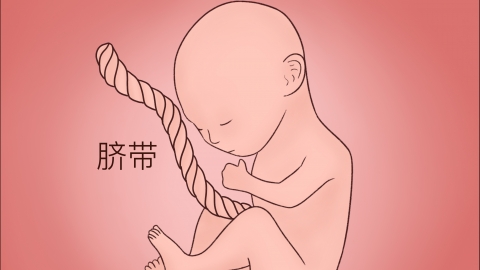
A positive hepatitis B result in umbilical cord blood may contain certain errors, as maternal blood contamination during sample collection can lead to false-positive results, making it insufficient as the sole basis for diagnosing fetal infection. However, when sample collection strictly follows standardized procedures, maternal blood contamination is ruled out, and the assessment also incorporates the mother’s hepatitis B status, viral load, and other related indicators, the result's accuracy significantly increases. If the fetus has already been infected in utero, specific viral markers will appear in the umbilical cord blood, in which case a positive result holds important diagnostic value.
During pregnancy, mothers should follow medical advice for regular check-ups and implement effective mother-to-child transmission prevention measures. Newborns should receive the hepatitis B vaccine and hepatitis B immunoglobulin promptly after birth to reduce infection risk. During breastfeeding, ensure nipple hygiene and avoid contact between broken skin and the infant’s oral mucosa. Maintain the integrity of the newborn’s skin and mucous membranes to minimize opportunities for viral entry. Regularly bring the newborn for hepatitis B-related testing, closely monitor their health, and ensure any issues are identified and addressed promptly.