What is the most effective inhibitor of tyrosinase?
Dec 03, 2025
Source: Cainiu Health

Dr. Liu Wenmin
Introduction
Inhibition of tyrosinase activity can generally be achieved through pharmacological interventions, herbal extracts, antioxidant-rich foods, vitamin supplements, and laser therapy. Hydroquinone cream is a commonly used clinical tyrosinase inhibitor that reduces melanin production by suppressing melanocyte metabolism, and is frequently employed in the treatment of melasma. Tretinoin cream can improve pigmentation and is particularly effective for age spots.
Inhibiting tyrosinase does not have a single method that is absolutely "most effective." Generally, it can be achieved through drug interventions, herbal plant extracts, antioxidant-rich foods, vitamin supplements, laser treatments, and other approaches. A detailed analysis is as follows:
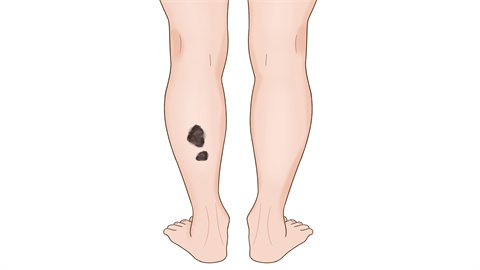
1. Drug Intervention: Hydroquinone cream is a commonly used clinical tyrosinase inhibitor that reduces melanin production by suppressing the metabolism of melanocytes and is frequently used in treating melasma. Tretinoin cream can improve pigmentation and shows significant effects on age spots. These medications must be used strictly under medical guidance; self-adjustment of dosage should be avoided.
2. Herbal Plant Extracts: Active compounds such as asiaticoside from Centella asiatica, glabridin from licorice root, and coumarin derivatives from Angelica dahurica (Bai Zhi) can all reduce melanin synthesis by inhibiting tyrosinase activity. For example, glabridin has stronger antioxidant properties than vitamin C, but its use should be appropriately guided by a physician.
3. Antioxidant Foods: Polyphenols in green tea, anthocyanins in mulberries, and linoleic acid in walnuts can all lower tyrosinase activity by scavenging free radicals. Long-term consumption of green tea may help prevent skin aging and hyperpigmentation, although the effects of dietary approaches are generally limited.
4. Vitamin Supplements: Vitamin C indirectly inhibits tyrosinase by reducing dopaquinone, an intermediate in melanin formation. Vitamin C can be taken orally via supplements or increased intake of citrus fruits. However, daily intake should not exceed 1,000 mg to avoid gastrointestinal discomfort.
5. Laser Therapy: Q-switched lasers or picosecond lasers selectively destroy melanin particles and are particularly effective for stubborn melasma. Typically, 3–5 sessions are required at 4–6 week intervals. Post-treatment care requires enhanced skin repair and strict sun protection. This therapy is contraindicated for individuals with photosensitive skin or those who are pregnant.
Daily strict sun protection is essential—use broad-spectrum sunscreen with SPF 50+ and PA++++, reapplied every two hours. Avoid skin friction or irritation, minimize熬夜 (late-night activities) and stress, and consume more vitamin E-rich nuts to support antioxidant defenses.