


What does "third-generation transmission" mean?
Dec 03, 2025
Source: Cainiu Health

Dr. Li Feng
Introduction
Three-generation transmission refers to the process in an infectious disease chain where a virus or pathogen spreads from the initial infected individual to second-generation cases, and then from these second-generation cases to third-generation cases. To break the transmission chain, personal protection is essential. During an outbreak, wear masks properly when going out and avoid crowded places. Develop the habit of frequent handwashing, thoroughly cleaning hands with running water and soap.
Three-generation transmission refers to the process in a chain of infectious disease spread whereby a virus or pathogen is transmitted from the original infected individual (first generation) to a second generation of感染者, who then pass it on to a third generation. A detailed analysis is as follows:
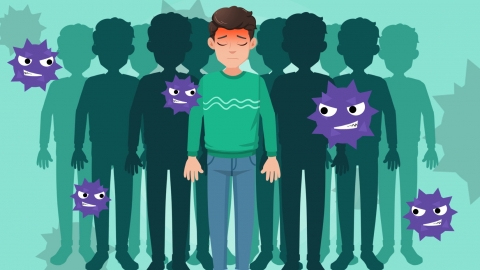
"Three-generation transmission" typically describes the phenomenon of an infectious disease spreading across three successive generations—infected individuals in the first generation transmit the disease to those in the second generation, who then infect the third. This pattern occurs when pathogens remain viable and transmissible among people over time, and when effective protective measures within the population are lacking. For example, respiratory infections such as influenza and COVID-19 can be spread when individuals in the first generation expel viruses via respiratory droplets, which are then inhaled by susceptible individuals in the second generation. If these second-generation cases fail to isolate themselves properly, they may further transmit the virus through coughing or sneezing to a third generation. The risk of transmission increases significantly in enclosed or poorly ventilated environments.
To break the transmission chain, personal protection is essential. During outbreaks, wear masks properly when going outdoors and avoid crowded places. Develop the habit of frequent handwashing, thoroughly cleaning hands with soap and running water to reduce the risk of contact-based transmission. Maintain indoor ventilation by opening windows regularly each day to lower viral concentrations in the air. If symptoms such as fever or cough develop, stay home, rest, and seek medical attention promptly to avoid spreading the infection to family members or others.



