


What should I do if one side of my face swells after getting vaccinated?
Dec 03, 2025
Source: Cainiu Health

Dr. Li Feng
Introduction
In general, facial swelling on one side after vaccination may be caused by local lymphatic reaction, stimulation from vaccine components, localized soft tissue infection, allergic dermatitis, or acute parotitis. It is recommended to seek medical attention promptly, identify the underlying cause, and then improve the condition under a doctor's guidance through general measures or medication as appropriate. In daily life, avoid spicy or hard foods to reduce chewing strain on the face.
Generally, facial swelling on one side after vaccination may be caused by local lymphatic reaction, vaccine component irritation, local soft tissue infection, allergic dermatitis, or acute parotitis. It is recommended to seek medical attention promptly, identify the underlying cause, and then improve symptoms under a doctor's guidance through general care, medication, and other treatments. Specific analyses are as follows:
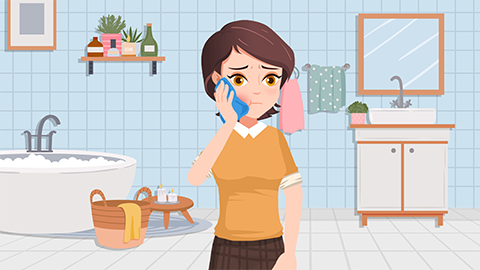
1. Local lymphatic reaction: The vaccine stimulates the cervical lymph nodes on the inoculation side, causing reactive swelling that may extend to the face. Gently apply warm compresses with a clean towel to the affected area for 15 minutes, three times daily. Avoid pressing on the swollen area and maintain a light diet to reduce irritation.
2. Vaccine component irritation: Vaccine components may spread into the facial soft tissues, triggering localized inflammatory swelling, often accompanied by mild tenderness. Keep the face clean, avoid using irritating skincare products, and allow the swelling to resolve naturally within 3–5 days. Avoid strenuous physical activity during this period.
3. Local soft tissue infection: Improper care of the injection site after vaccination may allow bacteria to enter and cause a facial soft tissue infection, presenting with swelling, warmth, and pain. Follow your doctor’s instructions to apply topical antibiotics such as mupirocin ointment, fusidic acid cream, or compound polymyxin B ointment, and keep the injection site dry.
4. Allergic dermatitis: An allergic reaction to vaccine components can lead to facial swelling, possibly accompanied by rash and itching. Take antihistamines such as cetirizine hydrochloride tablets, loratadine capsules, or ebastine tablets as prescribed. Avoid scratching the face and stay away from known allergens.
5. Acute parotitis: Immune fluctuations following vaccination may trigger acute parotitis, resulting in unilateral facial swelling, pain in the parotid region, and fever. Follow medical advice to use medications such as ribavirin granules, cefixime dispersible tablets, or Pudilan anti-inflammatory tablets. In severe cases, surgical incision and drainage may be required to remove pus if a parotid abscess develops.
In daily life, avoid spicy or hard foods to reduce strain on facial chewing muscles. Ensure adequate sleep, drink plenty of water to support metabolism, and avoid wearing makeup during the swelling period. Proper and scientific care can help restore the face to normal condition.







