


Can Feili Ke mixture be taken together with acetylcysteine granules?
Dec 04, 2025
Source: Cainiu Health

Dr. Ren Yi
Introduction
If cough is accompanied by thick, difficult-to-expectorate phlegm and a doctor has diagnosed a respiratory infection such as bronchitis or pneumonia, these two medications may be taken together under medical guidance. Feili Ke mixture helps clear heat, detoxify, relieve cough, and expel phlegm, while acetylcysteine granules work to liquefy mucus and promote its expulsion. Their complementary actions provide more comprehensive relief from cough and phlegm symptoms, helping restore unobstructed airways.
Generally, when cough is accompanied by thick sputum, it may be appropriate to take Feilike Heji (a traditional Chinese medicine) and acetylcysteine granules together under medical guidance. However, this combination is not recommended if there is no sputum production or if the drugs are self-administered without consultation. If in doubt, it is advisable to seek medical advice in advance. Detailed analysis is as follows:
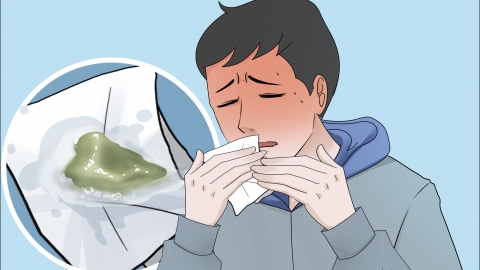
If cough is accompanied by thick, difficult-to-expectorate sputum and a doctor has diagnosed a respiratory infection such as bronchitis or pneumonia, taking these two medications together under medical supervision may be beneficial. Feilike Heji helps clear heat, detoxify, relieve cough, and expel phlegm, while acetylcysteine granules work by thinning mucus and promoting its expulsion. Their complementary actions can more comprehensively alleviate cough and sputum symptoms, helping restore airway patency.
However, if the cough is dry without sputum, or if the underlying cause has not been clearly identified, combining these medications on one's own is not recommended. In cases of dry cough, expectorants are unnecessary; using them indiscriminately increases drug intake and may lead to gastrointestinal side effects such as nausea and abdominal bloating. Moreover, combining medications without a confirmed diagnosis may mask the true condition, delaying accurate identification of the infection type (e.g., viral or bacterial) and appropriate targeted treatment.
Prior to combining these medications, it is essential to confirm whether cough is associated with sputum production and to assess the characteristics of the sputum, avoiding blind medication use. Dosage and administration frequency must strictly follow medical instructions or product labeling—do not adjust doses without authorization. Monitor for any adverse reactions during treatment; if symptoms such as rash or vomiting occur, discontinue use immediately and consult a healthcare provider to adjust the treatment plan.




