


The difference between Fluimucil and Ambroxol
Nov 25, 2025
Source: Cainiu Health

Dr. Ren Yi
Introduction
Fulusi usually refers to acetylcysteine granules. The main differences between acetylcysteine granules and ambroxol lie in their mechanisms of action, types of sputum they are suitable for, potency, applicable populations, and characteristics of adverse reactions. Although both are expectorants, clinical use requires targeted selection. If severe worsening of cough, difficulty breathing, or allergic reactions occur after taking the medication, prompt medical attention is recommended.
Fluimucil usually refers to acetylcysteine granules. The main differences between acetylcysteine granules and ambroxol lie in their mechanisms of action, applicable types of sputum, potency, target populations, and characteristics of adverse reactions. Although both are expectorants, clinical use requires targeted selection. If severe worsening of cough, difficulty breathing, or allergic reactions occur after taking the medication, prompt medical attention is advised.
1. Mechanism of action: Acetylcysteine breaks down the disulfide bonds in mucoproteins within mucus, thereby thinning and diluting sputum; ambroxol promotes serous secretion from respiratory mucosa, reduces mucus secretion, and decreases sputum viscosity. Their pathways for expectoration differ.
2. Applicable sputum types: Acetylcysteine is more suitable for thick, difficult-to-expectorate purulent sputum and shows significant efficacy in dissolving sticky mucus; ambroxol applies to various types of viscous sputum, including serous and mucous types, thus having a broader range of application.
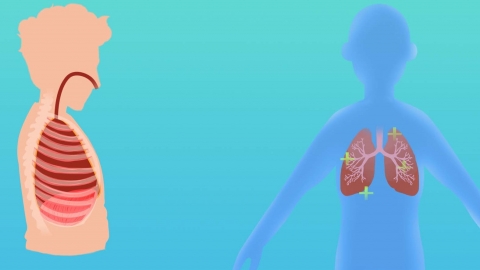
3. Potency: Acetylcysteine acts directly on the molecular structure of sputum, providing strong mucolytic effects; ambroxol primarily regulates sputum secretion, offering a milder, longer-lasting expectorant effect with less irritation to the respiratory tract.
4. Target population: Dosage of acetylcysteine granules in children must be strictly adjusted according to age and body weight, and it is commonly used in adults; ambroxol can be used by both adults and children, with different formulations suitable for different age groups, demonstrating better tolerability.
5. Characteristics of adverse reactions: Acetylcysteine may irritate the respiratory tract, causing choking cough or nausea, and occasionally rash; ambroxol has mild side effects, such as occasional stomach discomfort or dizziness, and generally offers higher safety.
Medication should be selected based on medical advice according to symptoms; avoid self-administered combination therapy. Take with warm water—acetylcysteine should not be taken concurrently with acidic medications. Drink plenty of warm water during treatment to keep the respiratory tract moist, facilitating sputum expulsion and enhancing expectorant effects.


