Is nighttime cough due to cold-type or heat-type cough?
Dec 04, 2025
Source: Cainiu Health

Dr. Ren Yi
Introduction
In general, nighttime cough cannot be simply categorized as either cold-type or heat-type cough; the classification should be based on specific symptoms. If discomfort occurs, it is recommended to seek medical advice promptly. Individuals with cold-type cough should keep warm at night and may drink warm ginger tea to dispel cold. Those with heat-type cough should maintain indoor humidity and drink plenty of warm water to help thin mucus. Avoid consuming overly sweet or salty foods before bedtime to reduce airway irritation.
Generally speaking, nighttime cough cannot be simply categorized as either a cold-type or heat-type cough; the classification depends on specific symptoms. If discomfort occurs, timely medical consultation is recommended. The detailed analysis is as follows:
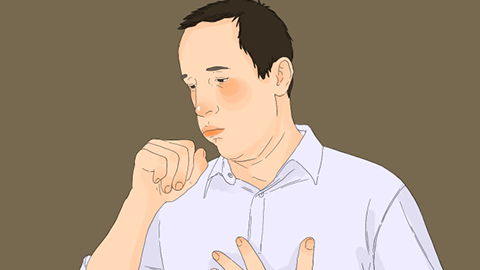
A nighttime cough accompanied by clear, thin, white phlegm and marked sensitivity to cold is typically classified as a cold-type cough. This type of cough often worsens after exposure to cold at night. Patients usually do not experience a sore or swollen throat but may have clear nasal discharge and a thin, white tongue coating. When cold pathogens invade the lungs, they cause airway constriction. At night, as the body's yang energy weakens, cold pathogens are more likely to linger, triggering paroxysmal coughing that may ease slightly with warmth.
A nighttime cough accompanied by thick yellow phlegm and a sore throat is typically classified as a heat-type cough. Patients often feel dry mouth and irritability, sometimes accompanied by fever, nasal congestion, yellow nasal discharge, and a yellowish tongue coating. Heat pathogens accumulating in the lungs make phlegm thick and difficult to expel. Dry air irritating the throat during nighttime breathing, or postnasal drip when lying down, can trigger frequent coughing episodes, which are often loud.
For cold-type coughs, keeping warm at night is important; drinking warm ginger tea may help dispel cold. For heat-type coughs, maintaining indoor humidity and drinking plenty of warm water can help thin the phlegm. Avoid consuming overly sweet or salty foods before bedtime to reduce airway irritation. Maintain regular sleep patterns and avoid staying up late, which can deplete body fluids. Adjust your diet according to the type of cough—avoid raw and cold foods for cold-type coughs, and spicy foods for heat-type coughs—to support recovery and relieve cough symptoms.