


Does whooping cough still require medication if there is still an occasional cough at night?
Dec 04, 2025
Source: Cainiu Health

Dr. Sun Lianqing
Introduction
If pertussis has entered the recovery phase, and the patient has completed a full course of standardized treatment, with daytime coughing nearly resolved and only occasional mild coughing at night—without other symptoms such as fever, shortness of breath, or vomiting—medication may generally be discontinued after medical evaluation. At this stage, the mild cough is usually a normal response during the healing process of the respiratory mucosa, and the body can gradually recover on its own without continued reliance on medication.
Generally, during the recovery phase of pertussis (whooping cough), if coughing at night occurs only occasionally—just one or two brief episodes—without any other discomfort, medication may be discontinued as directed by a physician. However, if treatment is still ongoing or other symptoms persist, continued medication is necessary. If in doubt, it is recommended to consult a healthcare provider in advance. Detailed analysis is as follows:
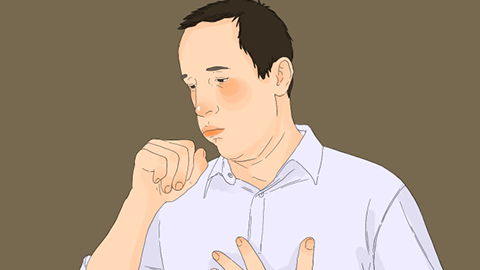
If pertussis has entered the recovery phase, and the patient has completed the full course of prescribed treatment with daytime coughing nearly resolved, and only occasional mild coughing occurs at night without other symptoms such as fever, shortness of breath, or vomiting, medication can typically be stopped after medical evaluation. In this case, mild coughing is usually a normal response during the healing process of the respiratory mucosa, and the body can gradually recover on its own without continued reliance on medication.
If the patient is still within the prescribed treatment period, or if the occasional nighttime cough is accompanied by symptoms such as rapid breathing, increased sputum production, low-grade fever, or if the frequency of coughing shows signs of worsening, medication should continue as prescribed. At this stage, symptoms are not yet stable, and stopping medication prematurely may lead to symptom relapse, prolonged illness, or even cause other respiratory complications that impair recovery.
During pertussis treatment, medications must be taken strictly as prescribed—do not adjust dosage independently. Monitor changes in coughing and overall physical condition, attend regular follow-up appointments, maintain indoor ventilation, and avoid respiratory irritants to support recovery.






