


Is there still hope for recovery after a tracheotomy for severe pneumonia?
Dec 04, 2025
Source: Cainiu Health

Dr. Ren Yi
Introduction
If the patient has a good baseline physical condition (e.g., no severe heart or lung diseases, no diabetes), can effectively clear sputum and improve ventilation after tracheostomy, and if appropriate antibiotics are selected based on antibiotic susceptibility testing to effectively control the infection, there is a high chance of successful treatment. With subsequent supportive therapies such as nutritional support and respiratory rehabilitation, the patient's condition may gradually improve, potentially leading to weaning off the ventilator and removal of the tracheostomy tube.
In general, patients with severe pneumonia who have undergone tracheotomy may have a chance of recovery if the infection is controllable and their baseline health condition is good. However, treatment becomes significantly more difficult if the infection is refractory or if multiple organ failure develops. If there are concerns, it is recommended to seek medical advice early. Detailed analysis is as follows:
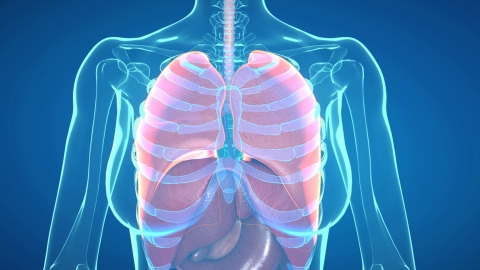
If the patient has a relatively good baseline health status (e.g., no severe heart or lung diseases, diabetes**), and after tracheotomy can effectively clear sputum and improve ventilation, and if sensitive antibiotics are selected based on antimicrobial susceptibility testing to successfully control the infection, then the prospects for recovery are promising. With subsequent supportive treatments such as nutritional support and respiratory rehabilitation, the patient's condition may gradually improve—potentially allowing weaning from mechanical ventilation and eventual removal of the tracheostomy tube.
However, if the patient is elderly and has multiple underlying conditions (such as chronic renal failure or malignant tumors), and continues to develop multidrug-resistant bacterial infections, uncontrollable sepsis, or complications such as heart failure and cerebral edema leading to multi-organ failure after tracheotomy, the difficulty of treatment increases dramatically. Even with aggressive interventions, the condition may continue to deteriorate, resulting in poor prognosis and reduced likelihood of survival.
After tracheotomy, close monitoring of vital signs in the intensive care unit is essential. Strict airway care must be provided to prevent infection. It is important to actively cooperate with physicians in adjusting treatment plans and ensure adequate nutritional support for the patient. Any changes in condition should be promptly communicated with healthcare providers to jointly develop the optimal treatment strategy.




