What causes a cold during menstruation?
Dec 04, 2025
Source: Cainiu Health

Dr. Ren Yi
Introduction
Menstrual colds are mainly caused by immune fluctuations, hormonal changes, pelvic congestion, increased risk of chilling, and accumulated fatigue. If a cold is accompanied by persistent high fever, severe coughing, or symptoms lasting more than three days, prompt medical attention is necessary. During menstruation, women experience metabolic adjustments and a temporary decline in immune cell activity, leading to reduced resistance against viruses and bacteria.
Common cold during menstruation is mainly caused by immune fluctuations, hormonal changes, pelvic congestion, increased risk of chilling, and accumulated fatigue. If the cold is accompanied by persistent high fever, severe coughing, or symptoms lasting more than three days, medical attention should be sought promptly.
1. Immune fluctuations: During menstruation, women's bodies undergo metabolic adjustments, leading to a temporary decline in immune cell activity. This reduces resistance to viruses and bacteria, making the body more susceptible to pathogens and increasing the risk of infections such as the common cold.
2. Hormonal changes: Significant fluctuations in estrogen and progesterone levels can impair the respiratory mucosal barrier function, causing mucosal congestion and edema. This makes it easier for pathogens to adhere and trigger colds.
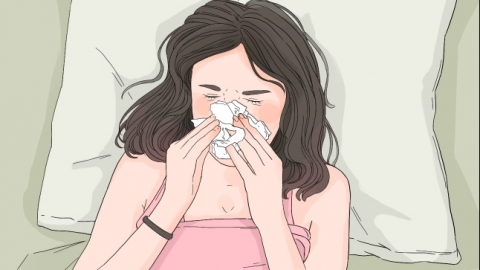
3. Pelvic congestion effects: Pelvic congestion during menstruation may indirectly affect systemic blood circulation, altering local blood supply to the respiratory tract and reducing mucosal defense capacity, thereby increasing the likelihood of catching a cold.
4. Increased risk of chilling: Some women experience dysmenorrhea or sensitivity to cold during menstruation. Inadequate warmth can lead to vasoconstriction upon exposure to cold, further suppressing immune function and predisposing them to colds.
5. Accumulated fatigue: The body's energy expenditure increases during menstruation. If combined with late nights, excessive physical strain, or mental stress, overall resistance is further weakened, creating favorable conditions for developing a cold.
Treatment focuses on symptomatic relief, with mild antitussive and antipyretic medications used appropriately. Care measures include ensuring adequate sleep and avoiding overexertion, maintaining warmth to prevent chilling, drinking plenty of water to stay hydrated, eating light and nutritious meals, and minimizing intake of spicy or irritating foods.