


What parts make up the respiratory system?
Dec 04, 2025
Source: Cainiu Health

Dr. Ren Yi
Introduction
The respiratory system is primarily composed of the nasal cavity, pharynx, trachea, bronchi, and lungs. These components work together to carry out gas exchange and breathing functions, making it a vital system for sustaining human life. If symptoms such as persistent coughing, chest tightness, difficulty breathing, or coughing up blood occur, prompt medical attention is recommended. Nasal cavity: serving as the starting point of the respiratory system,
The respiratory system is primarily composed of the nasal cavity, pharynx, larynx, trachea, bronchi, and lungs. These components work together to carry out gas exchange and breathing functions, making it a vital system for sustaining human life. If symptoms such as persistent coughing, chest tightness, difficulty breathing, or coughing up blood occur, prompt medical attention is recommended.
1. Nasal cavity: As the starting point of the respiratory system, it filters dust, humidifies air, and warms inhaled gases. It also detects odors through olfactory receptors. Mucus secreted by the mucous membrane helps trap pathogens, reducing the risk of infection.
2. Pharynx (throat): A key passageway connecting the nasal cavity to the trachea, serving as both a conduit for airflow and an essential organ for swallowing and speech production. Lymphoid tissues such as the tonsils in the pharyngeal region provide a certain degree of immune defense.
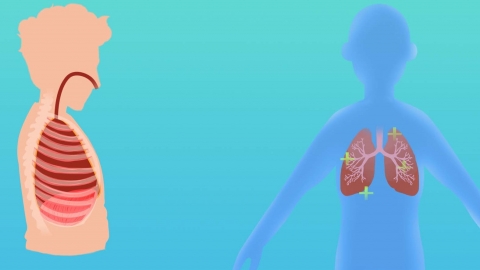
3. Trachea: A cylindrical tube connecting the throat to the bronchi. Its walls are supported by cartilage rings that keep the airway open. The cilia on the mucosal lining help sweep away foreign particles and secretions, making it a crucial pathway for air transport.
4. Bronchi: Formed by the branching of the trachea, they further divide into smaller bronchioles within the lungs, creating a "network system" for air delivery. This system precisely delivers air to various regions of lung tissue and facilitates the removal of carbon dioxide produced by metabolism.
5. Lungs: The core organs of the respiratory system, composed of numerous alveoli. Alveoli serve as the primary sites for gas exchange—oxygen enters the bloodstream here, while carbon dioxide is expelled from the body, enabling effective gas exchange between the body and the external environment.
To maintain respiratory health, ensure regular indoor ventilation, avoid prolonged exposure to irritants such as dust and smoke, engage in moderate aerobic exercise to strengthen lung function, drink plenty of water to keep the respiratory tract moist, quit smoking and avoid secondhand smoke, and maintain a regular sleep schedule.



