Can you still eat shrimp if the head and legs have turned black?
Dec 08, 2025
Source: Cainiu Health

Dr. Huang Yuhong
Introduction
In general, whether blackened shrimp heads and legs are safe to eat depends on their specific condition. If the discoloration is slight and there are no signs of spoilage, they can still be consumed. However, if there are signs of spoilage such as an unpleasant odor, it is not recommended to eat them. Consuming spoiled shrimp on an empty stomach may increase gastrointestinal burden and lead to discomfort. In daily life, it's advisable to prepare shrimp shortly after purchase. If storage is needed, keep them sealed and refrigerated, and develop good habits for handling and storing seafood.
Generally speaking, whether blackened shrimp heads and legs are edible depends on their specific condition. If the discoloration is slight and there are no signs of spoilage, they can still be consumed. However, if accompanied by unpleasant odors or other signs of deterioration, it is not recommended to eat them. The details are as follows:
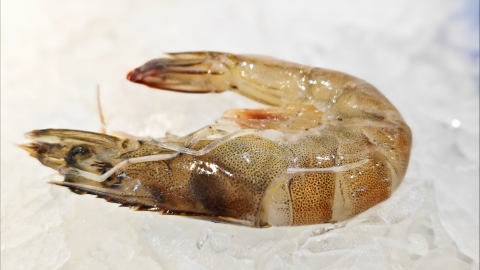
Shrimp heads and legs contain tyrosinase, an enzyme that catalyzes the production of melanin during storage, leading to slight localized darkening—a common oxidation phenomenon. Shrimp are rich in high-quality protein and minerals, and slight discoloration does not affect their nutritional value or food safety. When properly cooked, they generally do not cause adverse reactions. However, if the blackening is severe and accompanied by signs of spoilage such as sticky texture, foul odor, or soft body, this indicates bacterial growth, and consumption may lead to gastrointestinal discomfort. Therefore, it's important to assess the overall condition rather than consuming them blindly.
Consuming large amounts of spoiled shrimp on an empty stomach can加重 the burden on the digestive system and trigger discomfort. In daily life, it's advisable to prepare shrimp immediately after purchase. If storage is necessary, keep them sealed and refrigerated. Developing good habits in food handling and storage helps ensure food safety.