


What happens if you eat too much pork jelly?

Eating too much pork aspic may generally increase gastrointestinal burden, lead to elevated blood lipids, cause blood pressure fluctuations, raise the risk of weight gain, and affect nutritional balance. Detailed analysis is as follows:
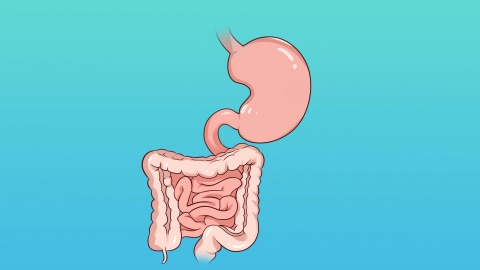
1. Increased gastrointestinal burden: Pork aspic is rich in collagen and has a sticky texture. Excessive consumption increases digestive difficulty, possibly causing discomfort such as bloating, belching, and constipation—especially in individuals with weak digestion—and disrupting normal gastrointestinal function.
2. Elevated blood lipid levels: Pork aspic is typically made from animal skin, which is high in fat. Overconsumption can lead to fat accumulation and increased levels of triglycerides and other blood lipid indicators, negatively affecting cardiovascular health.
3. Blood pressure fluctuations: Large amounts of table salt are commonly added during preparation for flavoring. Eating too much may result in excessive sodium intake, leading to water and sodium retention and subsequent elevation in blood pressure, which is detrimental to blood pressure control.
4. Increased risk of weight gain: Pork aspic is calorie-dense. Overeating can exceed daily caloric needs, with surplus calories being stored as body fat, potentially leading to weight gain over time.
5. Impaired nutritional balance: Long-term excessive consumption of pork aspic may displace other foods, resulting in deficiencies in essential nutrients such as vitamins and dietary fiber, thereby undermining dietary balance.
Consumption of pork aspic should be moderated, with only small portions eaten at a time. Individuals with specific health conditions should adjust their intake according to their personal health status and avoid indiscriminate consumption.


