


Are spleen-stomach deficiency and dampness excess the same thing?
Dec 08, 2025
Source: Cainiu Health

Dr. Sun Lianqing
Introduction
Spleen and stomach deficiency and excessive dampness are not the same condition, but they are closely related and influence each other. Spleen and stomach deficiency commonly presents with poor appetite, abdominal distension, loose stools, fatigue, and other symptoms; excessive dampness often manifests as bodily heaviness, thick greasy tongue coating, sticky stools that adhere to the toilet, and oily skin. In treatment, spleen and stomach deficiency requires a focus on strengthening and nourishing the spleen and stomach, while excessive dampness requires emphasis on eliminating dampness and promoting diuresis.
Deficiency of the spleen and stomach is not the same as excessive dampness, but the two are closely related and influence each other. A detailed analysis is as follows:
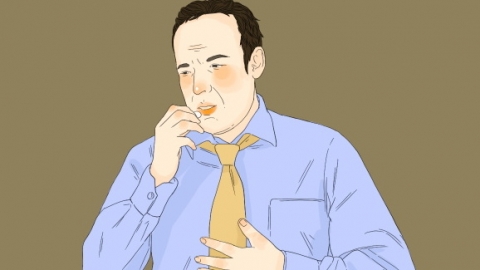
Spleen and stomach deficiency refers to weakened function of the spleen and stomach, leading to reduced digestion and absorption capacity; excessive dampness refers to impaired water metabolism in the body, resulting in accumulation of excess fluid. Their causes differ: spleen and stomach deficiency is often associated with irregular eating habits and overexertion, while excessive dampness may result from a humid environment or consumption of greasy, raw, or cold foods. However, the spleen and stomach play a key role in transforming and transporting dampness. When their function is impaired, the body cannot properly metabolize fluids, making it easier for dampness to accumulate. In turn, excessive dampness further burdens the spleen and stomach, worsening their function and creating a vicious cycle.
Common symptoms of spleen and stomach deficiency include poor appetite, abdominal bloating, loose stools, and fatigue. Excessive dampness often manifests as bodily heaviness, thick greasy tongue coating, sticky bowel movements that adhere to the toilet, and oily skin. In terms of调理 (regulation/treatment), spleen and stomach deficiency requires focusing on strengthening the spleen and nourishing the stomach, while excessive dampness calls for removing dampness and promoting urination. In both cases, maintaining a light diet, regular作息 (daily routine), and reducing intake of raw, cold, and greasy foods are essential to improving overall health.


