


Can patients with hyperthyroidism receive the COVID-19 vaccine?
Jul 28, 2021
Source: Cainiu Health

Dr. Jiang Weimin
Introduction
In general, whether a patient with hyperthyroidism can receive the COVID-19 vaccine depends on their specific clinical condition. Patients who have fully recovered from hyperthyroidism and do not have fever may consider vaccination, which can effectively reduce the risk of SARS-CoV-2 infection and is unlikely to cause adverse reactions. However, patients currently undergoing treatment for hyperthyroidism are advised not to receive the COVID-19 vaccine.
Hyperthyroidism, also known as thyrotoxicosis, is a common endocrine disorder caused by excessive secretion of thyroid hormones. Its primary manifestations include emotional lability, irritability, heat intolerance, weight loss, and increased appetite. It is often accompanied by varying degrees of exophthalmos (protruding eyes). So, can individuals with hyperthyroidism receive the COVID-19 vaccine? Below, we address this question.

Can individuals with hyperthyroidism receive the COVID-19 vaccine?
In general, whether a patient with hyperthyroidism may receive the COVID-19 vaccine depends on their specific clinical condition. Patients who have achieved complete remission from hyperthyroidism and are afebrile may consider vaccination, which can effectively prevent SARS-CoV-2 infection without causing adverse reactions. Vaccination may be considered when thyroid function has been stabilized within the normal range—i.e., clinical symptoms and signs have significantly improved, and laboratory tests show serum thyroid hormone and thyroid-stimulating hormone (TSH) levels within normal limits—and when the patient has had no recent cold or fever. However, patients currently undergoing treatment for hyperthyroidism are advised to defer vaccination, as it may potentially exacerbate their condition or interfere unnecessarily with vaccine efficacy.
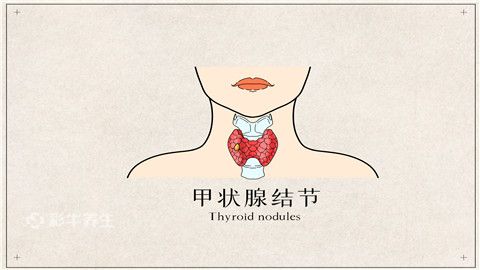
Knowledge Expansion: Symptoms of Hyperthyroidism
1. Exophthalmos
Exophthalmos often impairs eyelid closure, potentially leading to corneal dryness and even perforation. Imaging studies may reveal mild ophthalmoplegia (eye muscle weakness). Additionally, some patients with hyperthyroidism may experience nervousness, anxiety, insomnia, and suspiciousness.
2. Goiter
Both Hashimoto’s thyroiditis and silent thyroiditis may produce similar clinical features. The enlarged thyroid gland typically feels firm and has well-defined margins. Some patients may experience compressive symptoms, although thyroid function usually remains unaffected.

3. Weight Loss
Abnormalities in metabolic function lead to elevated thyroid hormone levels, resulting in increased hunger and appetite. However, hyperthyroidism impairs absorption of various nutrients; thus, despite markedly increased appetite, patients often experience significant weight loss, and some may develop malnutrition.
The above outlines considerations regarding COVID-19 vaccination for individuals with hyperthyroidism. We hope this information is helpful to you.




