


Can you eat the roe of frozen shrimp?
Dec 08, 2025
Source: Cainiu Health

Dr. Huang Yuhong
Introduction
In general, "ice shrimp roe" refers to the eggs of frozen shrimp. Whether ice shrimp roe is edible usually depends on the shrimp species, freshness, and individual physical condition. When purchasing frozen shrimp, choose products with intact packaging and bright, fresh-looking bodies. After bringing them home, store them sealed in the refrigerator or freezer. Before consumption, thaw thoroughly, rinse well with clean water, and ensure they are fully cooked during preparation.
Generally, the roe of frozen shrimp refers to the eggs of frozen shrimp. Whether the roe of frozen shrimp is edible usually depends on the shrimp species, freshness, and individual physical condition. The specific analysis is as follows:
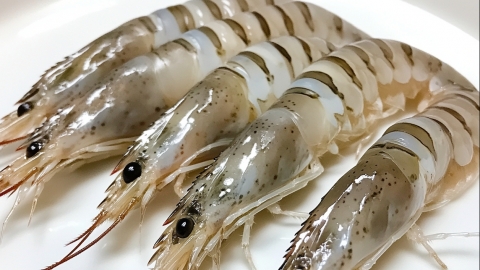
If the frozen shrimp are of a species such as Arctic cold-water prawns whose roe is safe for consumption, and if they are fresh without any unpleasant odor, with plump and shiny eggs, and if the individual has no seafood allergies or serious gastrointestinal issues, then the roe is generally safe to eat. This type of roe is rich in protein and trace elements. After complete thawing, it can be eaten together with the shrimp meat, offering a delicious and nutritious addition to meals. As long as it is thoroughly cleaned and properly prepared, it is commonly consumed.
If the species of the frozen shrimp is unknown, or if the roe appears black, sticky, or emits a fishy odor, or if the individual suffers from seafood allergies or weak digestion, it is not recommended to consume the roe. Spoiled roe may harbor bacteria and could lead to gastrointestinal discomfort. Allergic individuals might experience symptoms such as rashes or diarrhea after consumption.
When purchasing frozen shrimp, choose products with intact packaging and bright, fresh-looking bodies. Store them sealed in the refrigerator or freezer at home. Thaw completely before use, rinse thoroughly with clean water, and ensure they are fully cooked to avoid risks associated with raw consumption.


