


Can patients with ankylosing spondylitis develop tuberculosis?
Dec 08, 2025
Source: Cainiu Health

Dr. Ren Yi
Introduction
If patients with ankylosing spondylitis have a prolonged active disease phase, immune dysfunction, or receive long-term treatment with immunosuppressive agents, their overall resistance may decrease, weakening their defense against Mycobacterium tuberculosis and potentially increasing the risk of infection. In addition, factors such as prolonged bed rest and reduced physical activity may indirectly increase the likelihood of infection, although these are not directly caused by the disease itself.
Generally, patients with ankylosing spondylitis do not directly develop tuberculosis. However, abnormal immune status may increase the risk of infection. There is no direct causal relationship between the two conditions. If concerned, it is recommended to seek medical advice early. Detailed analysis is as follows:
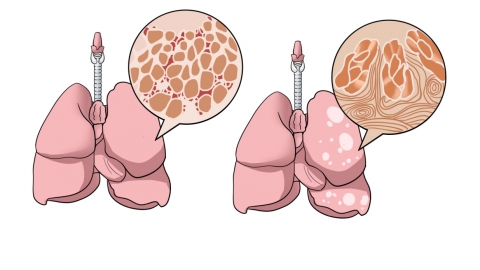
Ankylosing spondylitis is an autoimmune disease and does not directly cause tuberculosis, which is an infectious disease caused by Mycobacterium tuberculosis. The pathogenic mechanisms of the two conditions are entirely different. When most patients have stable disease control and their immune function is not severely impaired, their risk of developing tuberculosis is not significantly different from that of the general population.
If patients with ankylosing spondylitis experience prolonged disease activity, immune dysfunction, or long-term treatment with immunosuppressive agents, their overall resistance may decline and their defense against Mycobacterium tuberculosis may weaken, thereby increasing the risk of infection. In addition, factors such as prolonged bed rest and reduced physical activity may indirectly increase the likelihood of infection, but the disease itself does not directly trigger tuberculosis.
Patients with ankylosing spondylitis should actively manage their primary condition, follow medical guidance for standardized treatment, and avoid excessive impairment of immune function. Any symptoms such as cough or low-grade fever should be promptly evaluated by a healthcare provider.



