


Can smoking induce male erectile dysfunction?
Dec 08, 2025
Source: Cainiu Health

Dr. Cao Zhiqiang
Introduction
When smoking occasionally and in small amounts, the body's metabolism can quickly eliminate harmful substances, resulting in only mild vascular damage that generally does not directly trigger erectile dysfunction. However, with long-term accumulation or in individuals who already have underlying vascular diseases, the harmful effects of smoking accumulate, significantly increasing the likelihood of impaired erectile function and potentially worsening existing symptoms.
Generally, smoking increases the risk of erectile dysfunction (ED) in men. Long-term and heavy smoking further raises the likelihood of developing ED, while occasional light smoking has a relatively smaller impact. If concerned, it is advisable to seek medical consultation early. Detailed analysis is as follows:
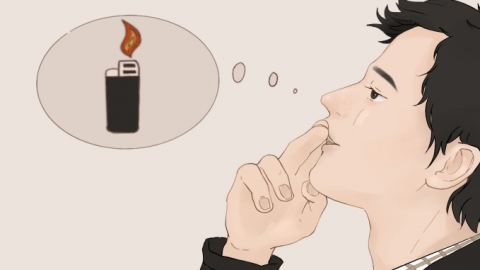
Harmful substances in tobacco, such as nicotine, can damage vascular endothelial cells, leading to insufficient blood flow to the corpora cavernosa of the penis and impairing blood filling during erection. Chronic smoking may also cause vasoconstriction and poor circulation, gradually disrupting the blood supply system of the reproductive organs and increasing the risk of erectile dysfunction.
With occasional light smoking, the body's metabolism can rapidly eliminate harmful substances, resulting in only minor vascular damage that typically does not directly trigger erectile dysfunction. However, with long-term accumulation or in individuals who already have underlying vascular diseases, the adverse effects of smoking can accumulate, increasing the probability of impaired erectile function and potentially worsening existing symptoms.
To protect reproductive health, it is recommended to quit smoking as early as possible to prevent ongoing damage to blood vessels and the reproductive system; maintain regular sleep patterns and engage in moderate physical exercise to improve circulation; and promptly seek medical evaluation if experiencing erectile dysfunction, while also avoiding risk factors such as smoking.



