


What are the symptoms of erectile dysfunction in men?
Dec 10, 2025
Source: Cainiu Health

Dr. Cao Zhiqiang
Introduction
Symptoms of erectile dysfunction in men primarily include insufficient penile rigidity, short duration of erection, difficulty initiating erection, irregular erections, and reduced response to sexual stimulation. If these symptoms persist for more than 3 months, affect the quality of sexual life, or are accompanied by emotional issues such as anxiety or low self-esteem, prompt medical consultation is recommended. The penis fails to achieve sufficient hardness during erection.
The main symptoms of male erectile dysfunction include insufficient penile rigidity, shortened duration of erection, difficulty initiating erection, inconsistent erectile response, and reduced sensitivity to sexual stimulation. If these symptoms persist for more than three months, affect the quality of sexual life, or are accompanied by emotional issues such as anxiety or low self-esteem, timely medical consultation is recommended.
1. Insufficient erectile hardness: After erection, the penis fails to achieve sufficient rigidity, making vaginal penetration difficult or impossible to complete intercourse. Alternatively, adequate hardness may only be maintained briefly, unable to sustain full sexual activity—this is a common core symptom of the condition.
2. Short duration of erection maintenance: Even if erection initiates normally, it cannot be sustained until completion of intercourse. The penis may become flaccid prematurely, interrupting sexual activity and negatively affecting both partners' sexual experience.
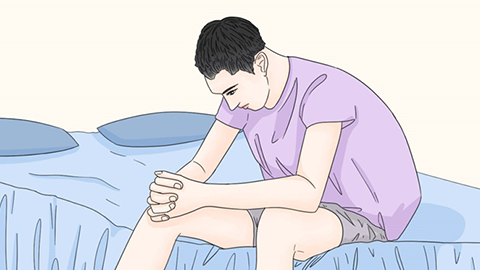
3. Difficulty initiating erection: Following sexual stimulation, the penis fails to respond with timely erection, or only achieves weak erection after prolonged and intense stimulation—clearly deviating from normal physiological responses.
4. Inconsistent erectile patterns: Erectile function fluctuates unpredictably—normal erections may occur in some situations, while complete failure occurs in others, without clear correlation to mood or environmental factors.
5. Reduced response to sexual stimulation: Sensitivity to various forms of sexual stimuli decreases. Stimuli that previously triggered erection now produce inadequate or no response, with明显 declines in the spontaneity and proactiveness of erection.
In daily life, maintaining regular sleep patterns and avoiding staying up late, eating a balanced diet rich in high-quality protein and vitamins, engaging in moderate exercise such as jogging and Kegel exercises, reducing unhealthy habits like smoking and excessive drinking, and maintaining emotional stability to avoid excessive anxiety and stress can all help improve reproductive health.



